
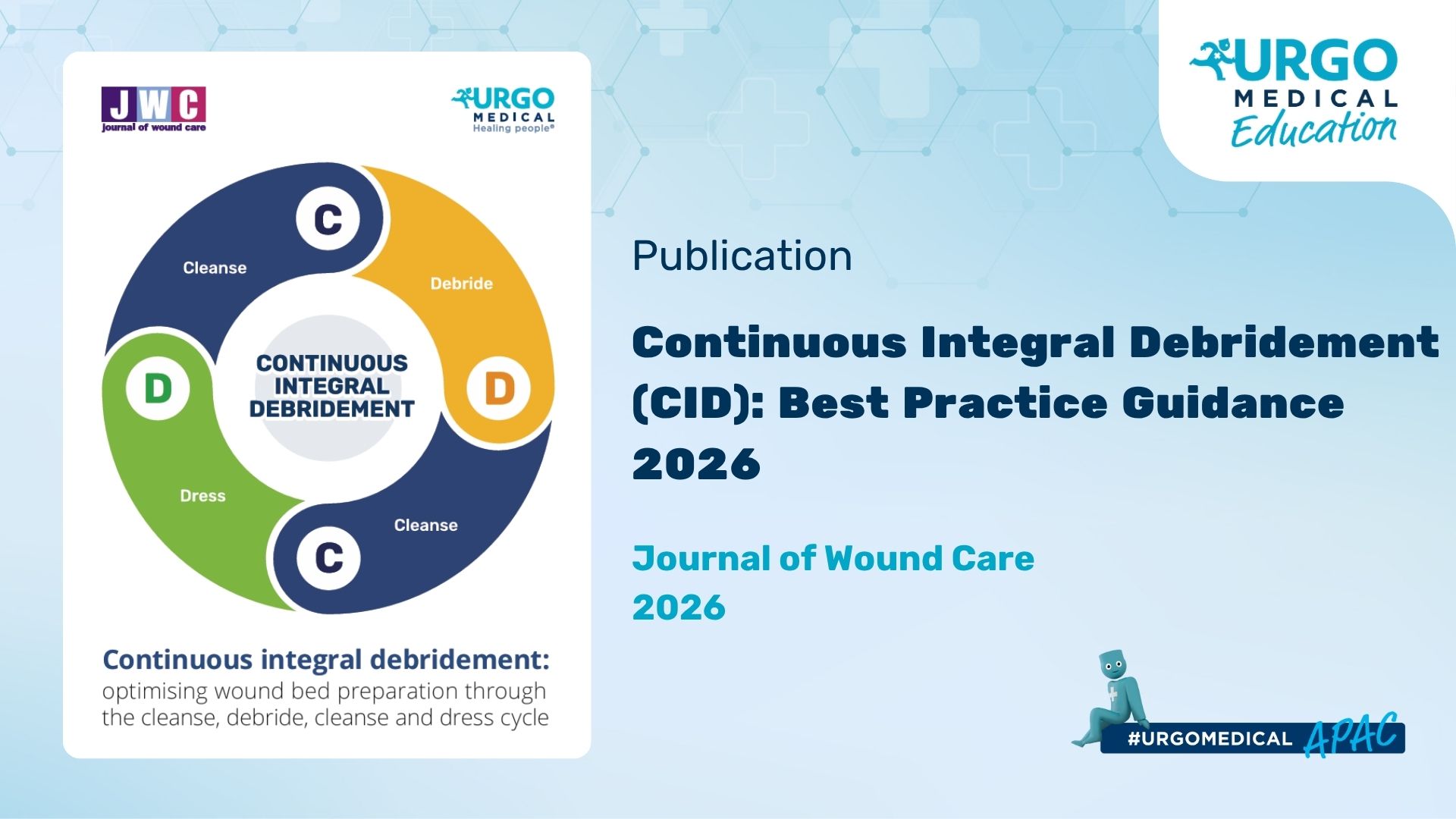
Continuous Integral Debridement (CID) Best Practice Guidance 2026
This expert consensus, published in the Journal of Wound Care, introduces CID, a cyclical Cleanse–Debride–Cleanse–Dress (CDCD) approach that provides practical guidance for integrating continuous debridement into routine wound care to optimise healing outcomes.
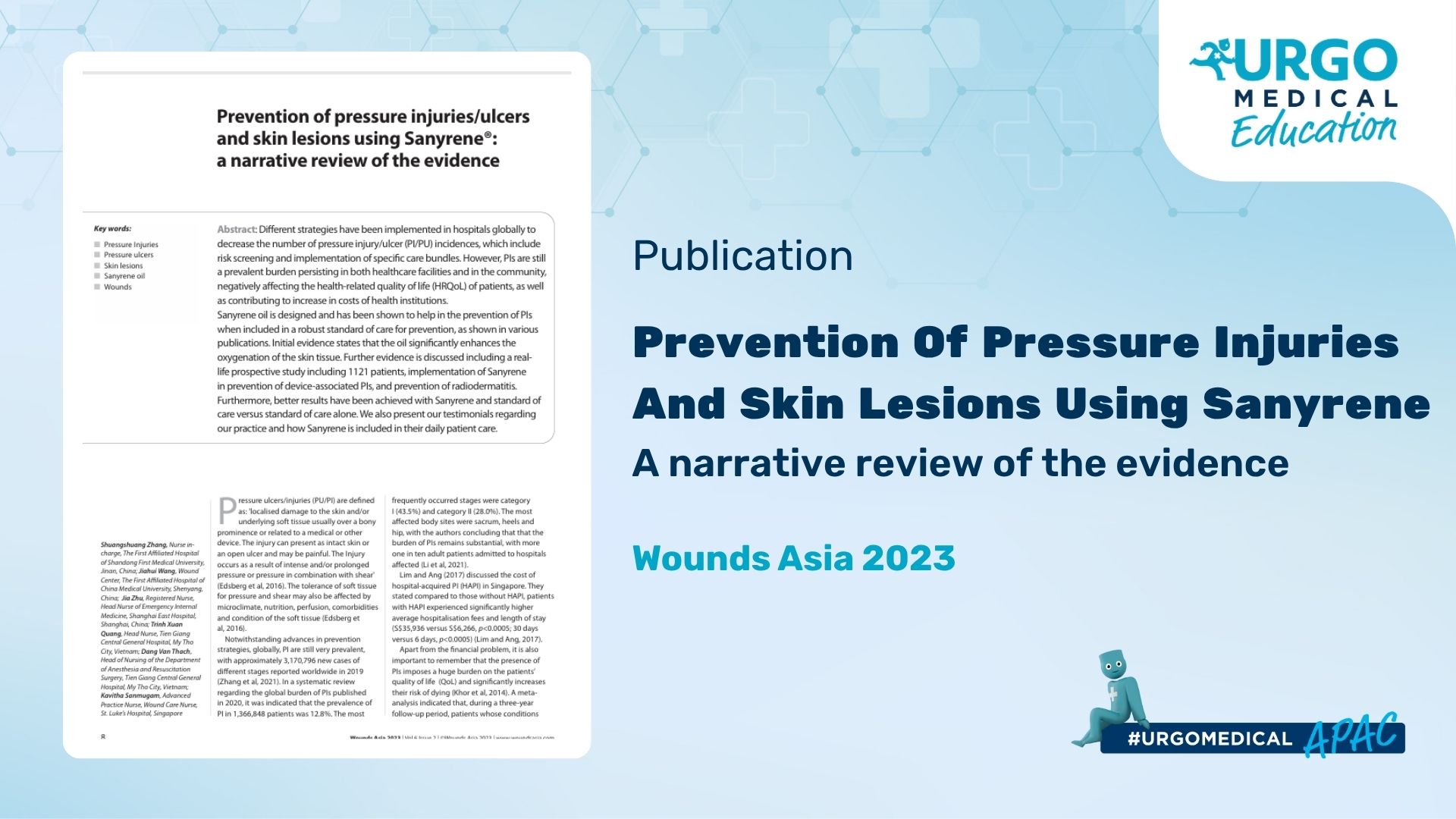
Prevention Of Pressure Injuries And Skin Lesions Using Sanyrene Narrative Review
Sanyrene oil is designed to help in the prevention of PIs when included in a robust standard of care for prevention, as shown in various publications. Initial evidence states that the oil significantly enhances the oxygenation of the skin tissue. Further evidence is discussed, such as implementation of Sanyrene in prevention of device-associated PIs, and …
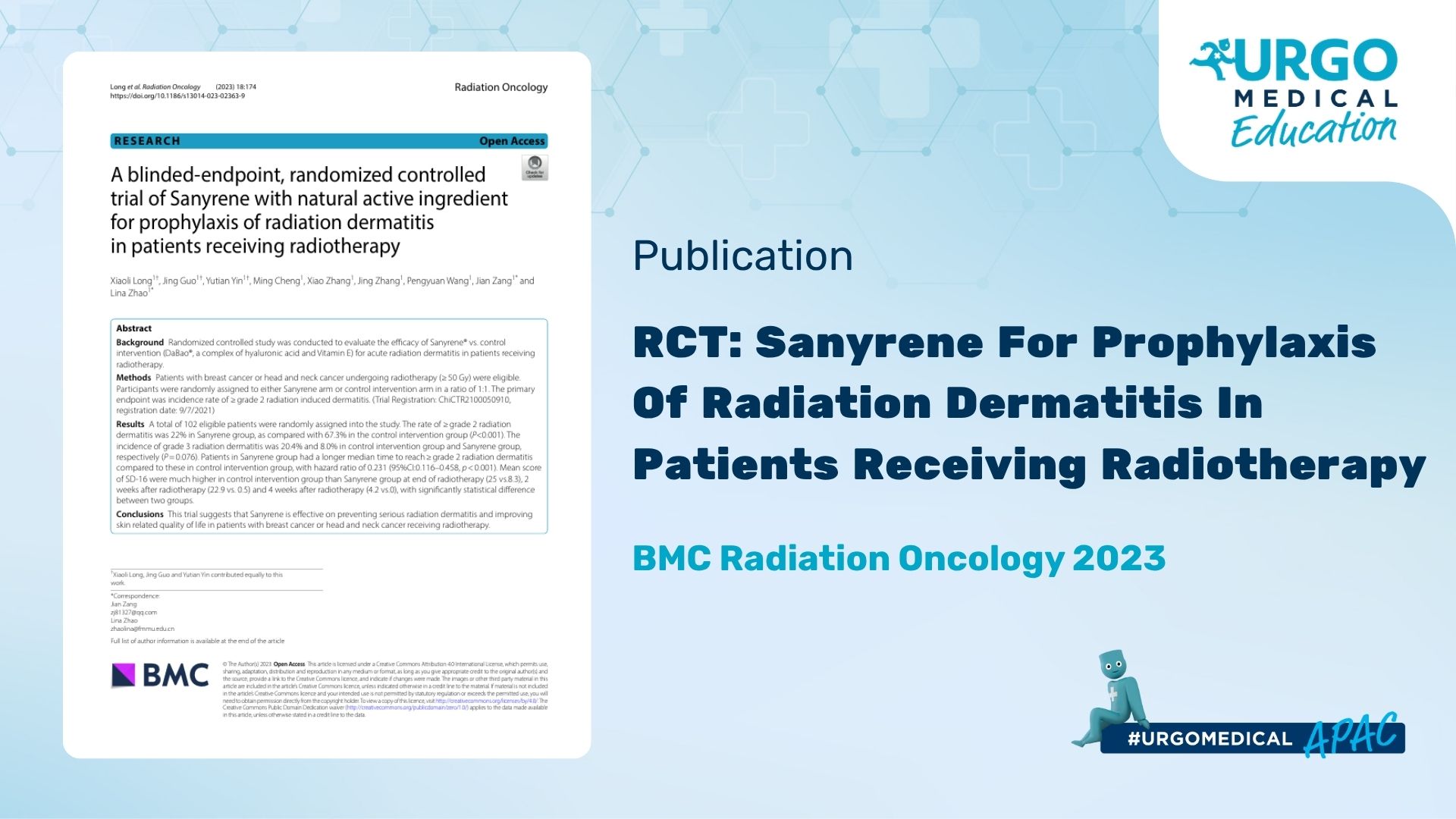
RCT Sanyrene For Prophylaxis Of Radiation Dermatitis In Patients Receiving Radiotherapy
Randomized controlled study was conducted to evaluate the efficacy of Sanyrene® vs. control intervention for acute radiation dermatitis in patients receiving radiotherapy. This trial suggests that Sanyrene is effective on preventing serious radiation dermatitis and improving skin related quality of life in patients with breast cancer or head and neck cancer receiving radiotherapy.
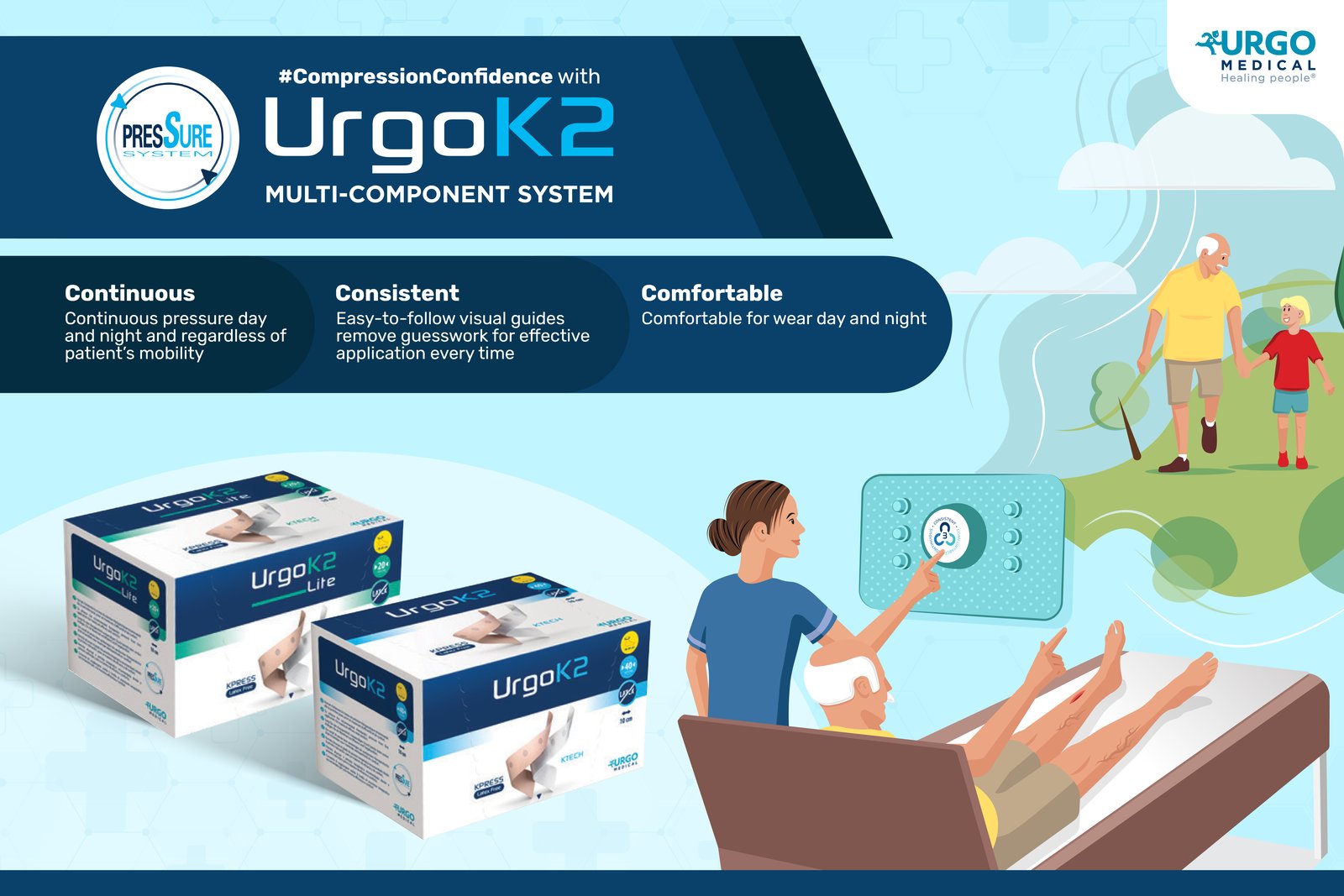
UrgoK2 Multi-component Compression System
UrgoK2 helps to deliver compression that is: 1. Continuous: Regardless of mobility of patient 2. Consistent: Regardless of who is applying 3. Comfortable: Tolerable by patients to increase compliance to treatment. In this video, you’ll discover more about this innovative dual compression system for venous and mixed leg ulcers.
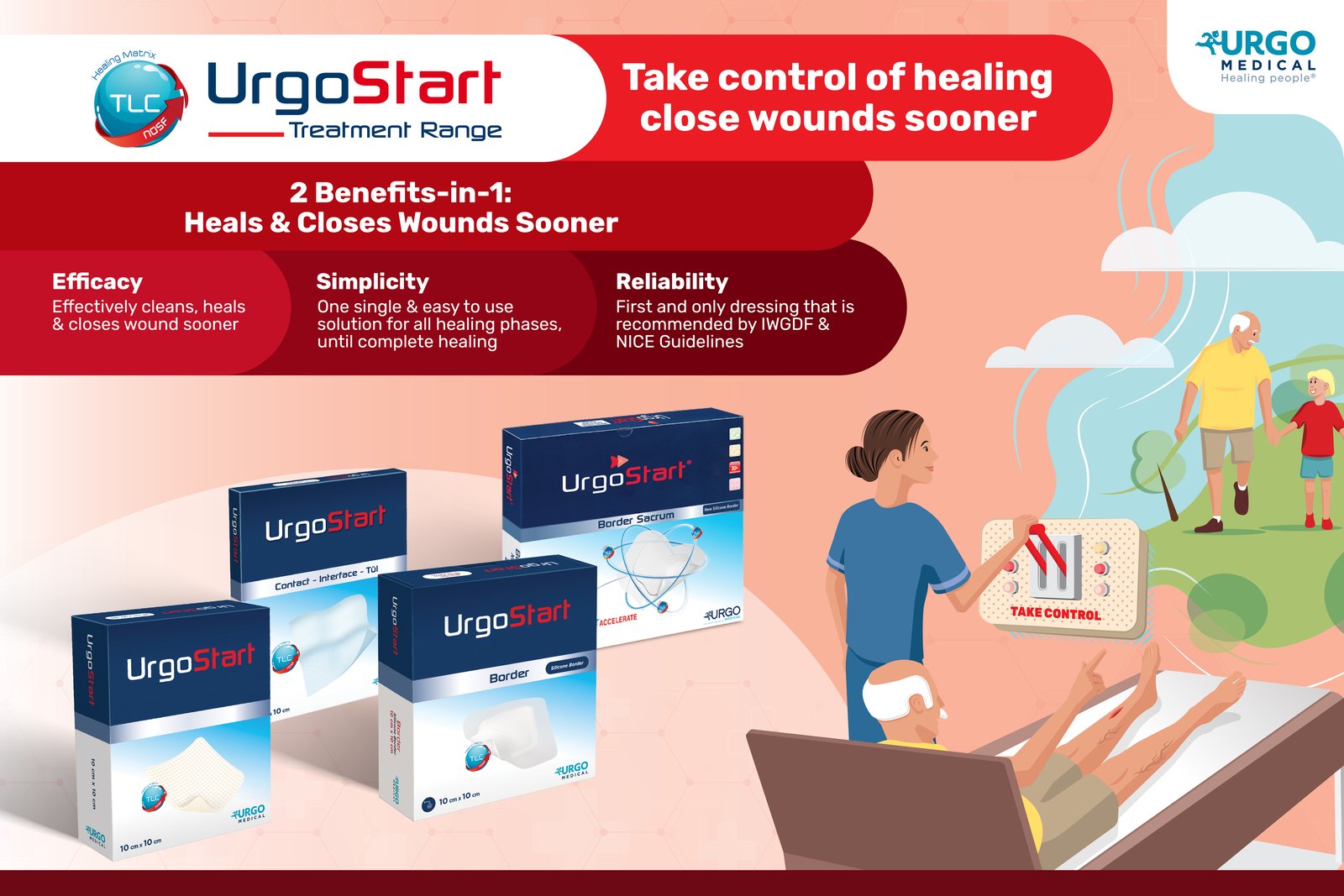
UrgoStart Treatment Range
The UrgoStart Treatment Range is one of our innovative wound care solutions designed to accelerate healing and improve patient outcomes. In this video, you’ll discover the unique benefits and features of the UrgoStart Treatment Range.

Patient Story Mr Lai Van Thang (Caregiver to an EB Patient, Vietnam)
Meet Mr Lai Van Thang – caregiver to an Epidermolysis Bullosa (EB) patient. Watch to hear about the challenges they face, the hope that carries them forward, and how Urgo Medical supports them through this journey with UrgoTul, an advanced wound care dressing that helps to restore skin with pain-free care.
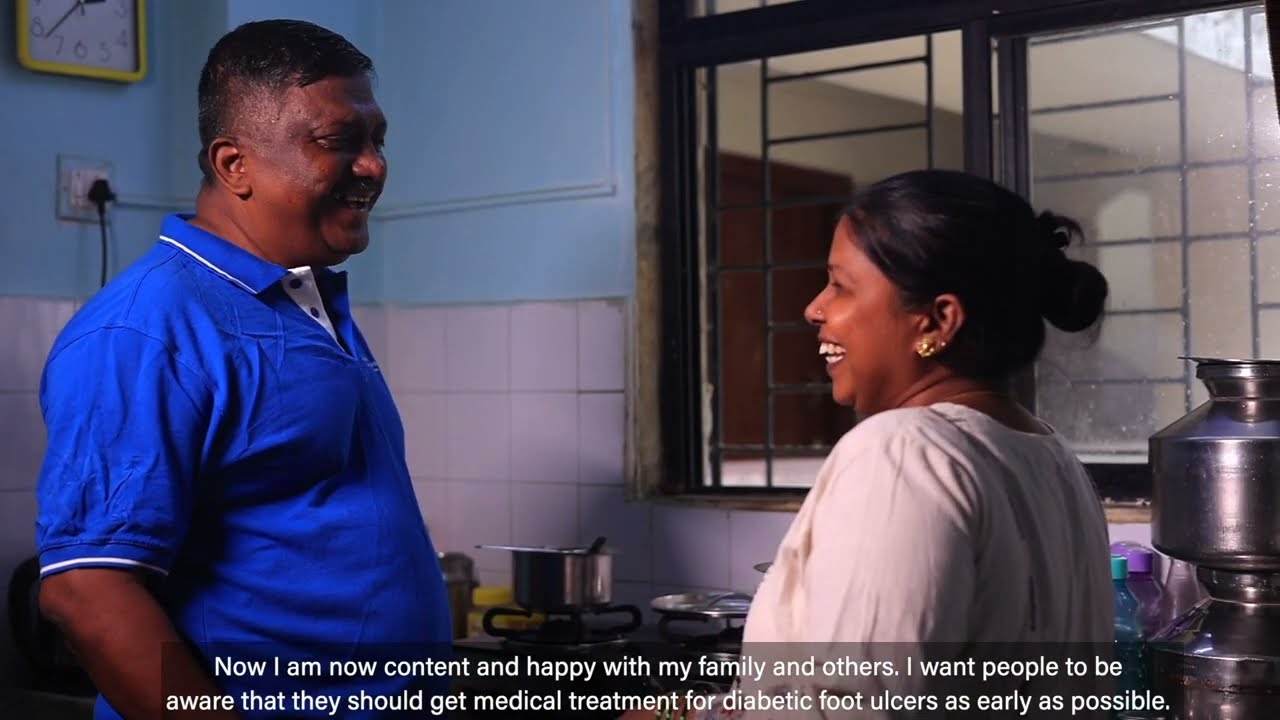
Patient Story Agawane (India, Mumbai)
Watch as Agawane shares his personal journey to recovery. Also hear from Dr. Jessy Thomas about the impactful role of UrgoStart and importance of patient empowerment and awareness in the treatment of wounds such as diabetic foot ulcers. Agawane’s story is one of hope, perseverance and healing.

Patient Story Shaiful (Singapore)
Meet Shaiful, a dedicated 43-year-old teacher who has faced the challenges of living with a diabetic foot ulcer. In this inspiring video, we follow Shaiful’s journey from diagnosis to recovery, showcasing his determination, strength, and the vital role of proper wound care.

Patient Story Madam Seetha (Singapore)
Meet Madam Seetha, a true embodiment of resilience and strength. In this heartfelt video, we share the inspiring journey of Madam Seetha as she bravely faces life with a diabetic foot ulcer. Despite the challenges, she remains hopeful and determined, demonstrating the power of perseverance and the importance of proper wound care.
Dr. Michelle Kaminski
In this med ed byte, we’re joined by Dr. Michelle Kaminski who highlights the critical role of maintaining moisture balance in promoting optimal wound healing. She explains how proper moisture levels can accelerate recovery and minimize pain, among other benefits.
Dr. Zhang Li TLC-NOSF Dressings As An Interface Layer For NPWT
In this video, we have Dr. Zhang Li, a vascular surgeon from Tan Tock Seng Hospital Singapore. She delves into the concept of using TLC-NOSF as an interface layer for NPWT (Negative Pressure Wound Therapy) and shares meaningful insights from real-life case studies that highlight how dressings like UrgoStart Contact support wound healing.
Ms. Eliza Stephens Close Wounds Sooner With TLC-NOSF Dressings
In this Med Ed Byte, we’re joined by Ms. Eliza Stephens, a podiatrist from The Northern Hospital, Australia. Ms. Eliza offers valuable insights into the efficacy of TLC-NOSF Dressings for managing lower limb wounds, highlighting real-world case studies.
Professor. Xie Ting, MD, PHD Therapeutic Strategies For Chronic Wound Infection
In this Med Ed Byte, we have Professor Xie Ting from Shanghai Jiao Tong University School of Medicine, China! Professor Xie Ting shares about therapeutic strategies for chronic wound infections and delves into silver wound dressings that support infection management.

Asst. Professor. Francis Wong Silver And Topical Antimicrobial Therapy
In this Med Ed Byte, we have Dr. Francis Wong from Island Orthopaedic Consultants, Singapore! Dr. Francis shares insights into the antimicrobials available and dives into case studies on silver wound dressings that support infection management.

Mr. Emilio Galea Infection Management With Evidence-based Treatment
Join our global medical educator, Emilio Galea, as he explores wound infection, biofilm and the importance of using evidence to select the best local treatments! Discover how integrating clinical expertise with evidence-based treatments can support best outcomes for infection management
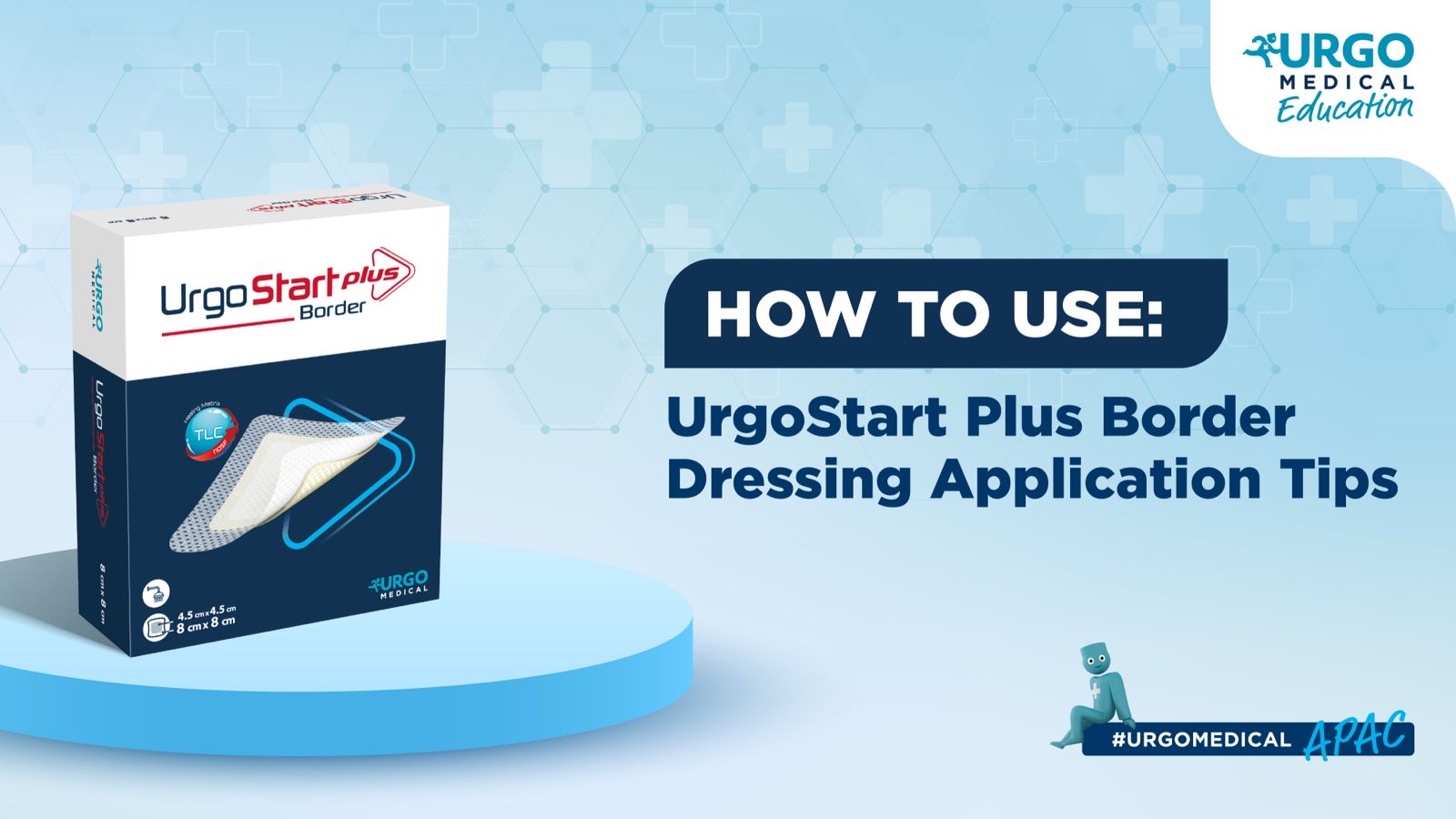
UrgoStart Plus Border Dressing Application Tips
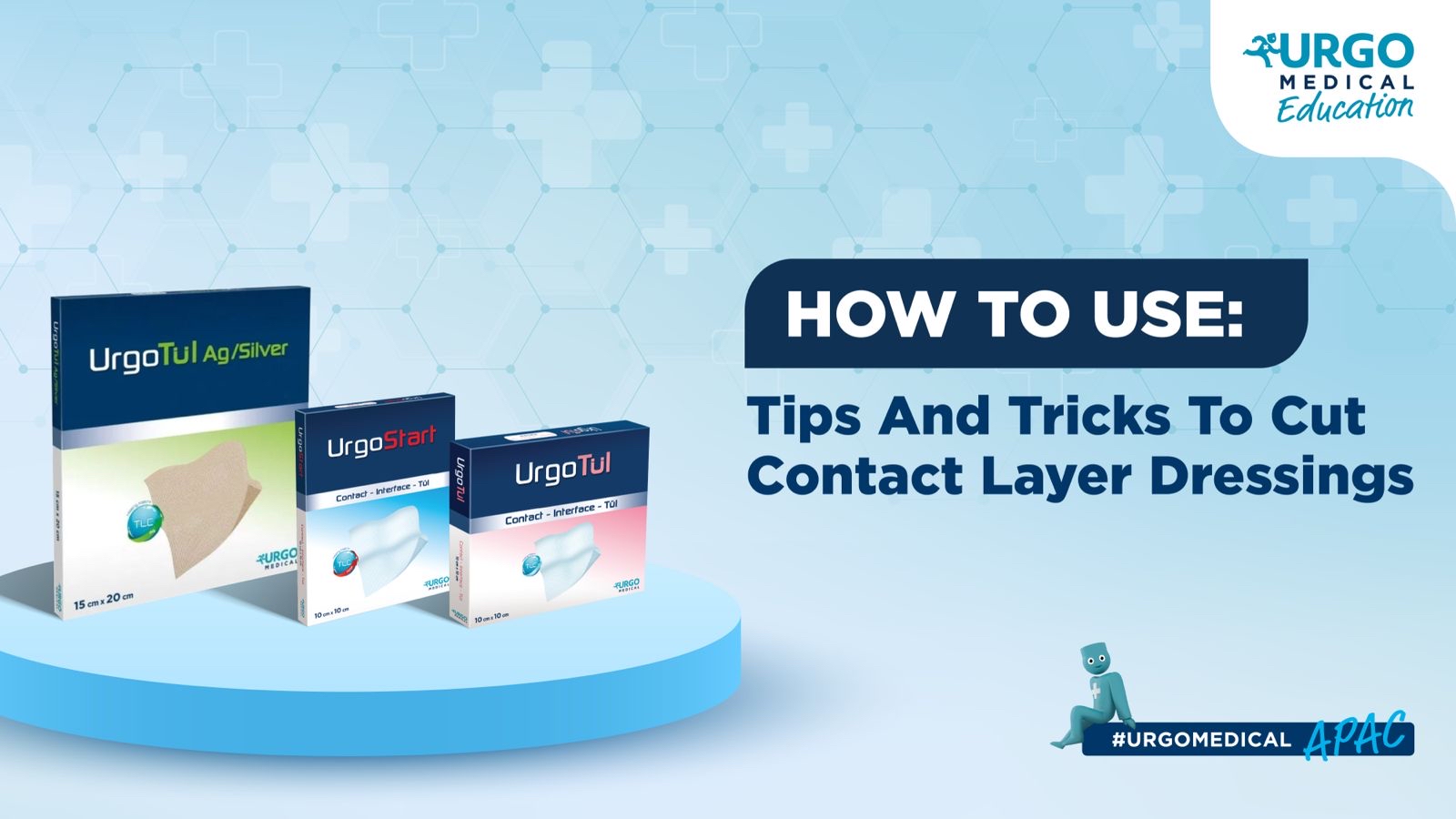
Urgo Medical Contact Layer Dressings Cutting Tips
UrgoClean Ag and UrgoStart Plus Pad Cutting Tips
Pack A Cavity Wound With UrgoClean Ag
UrgoK2 Multi-component Bandages Application Tips
Sanyrene Pressure Injury Prevention Oil Application Tips
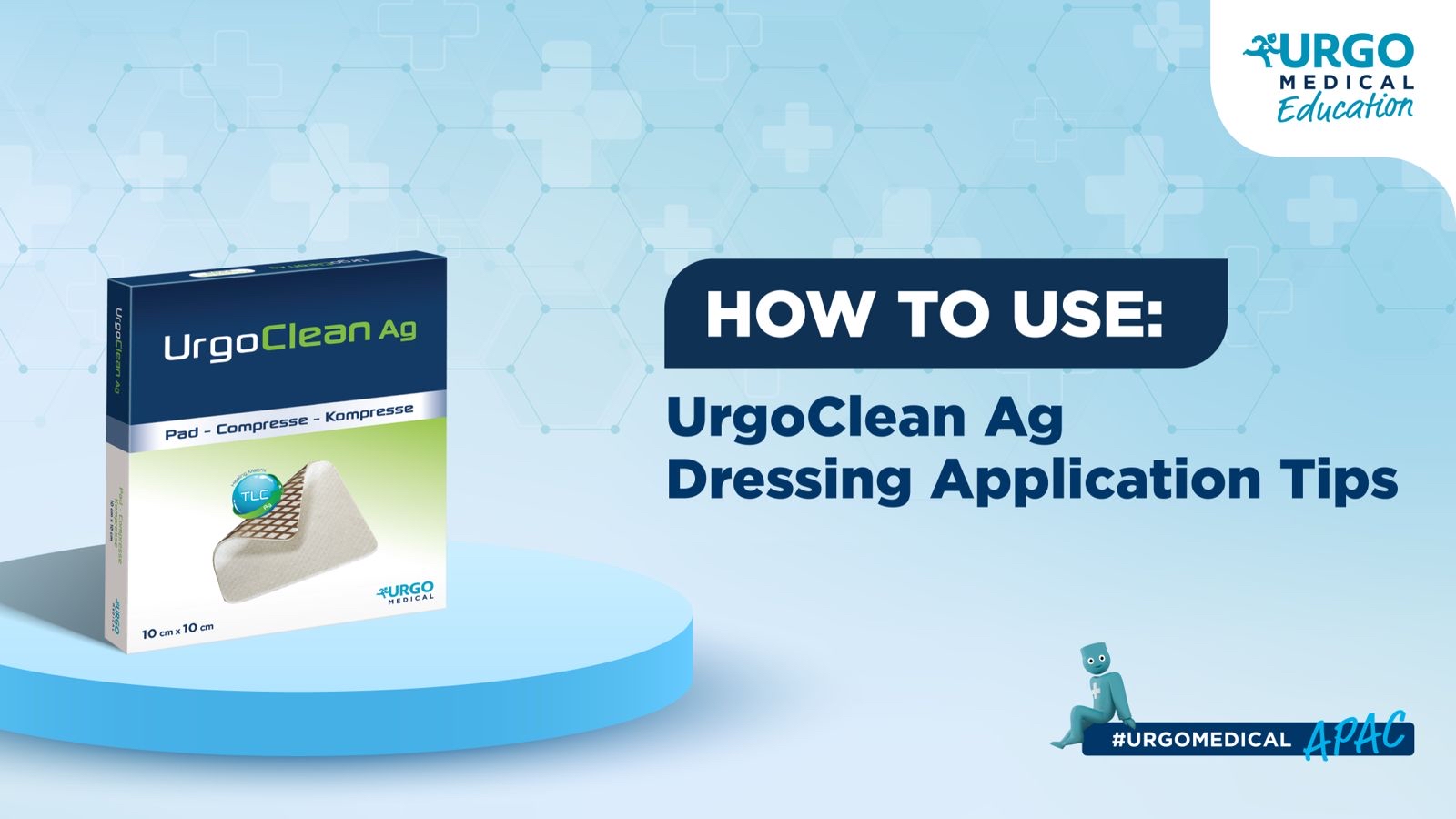
UrgoClean Ag Dressing Application Tips
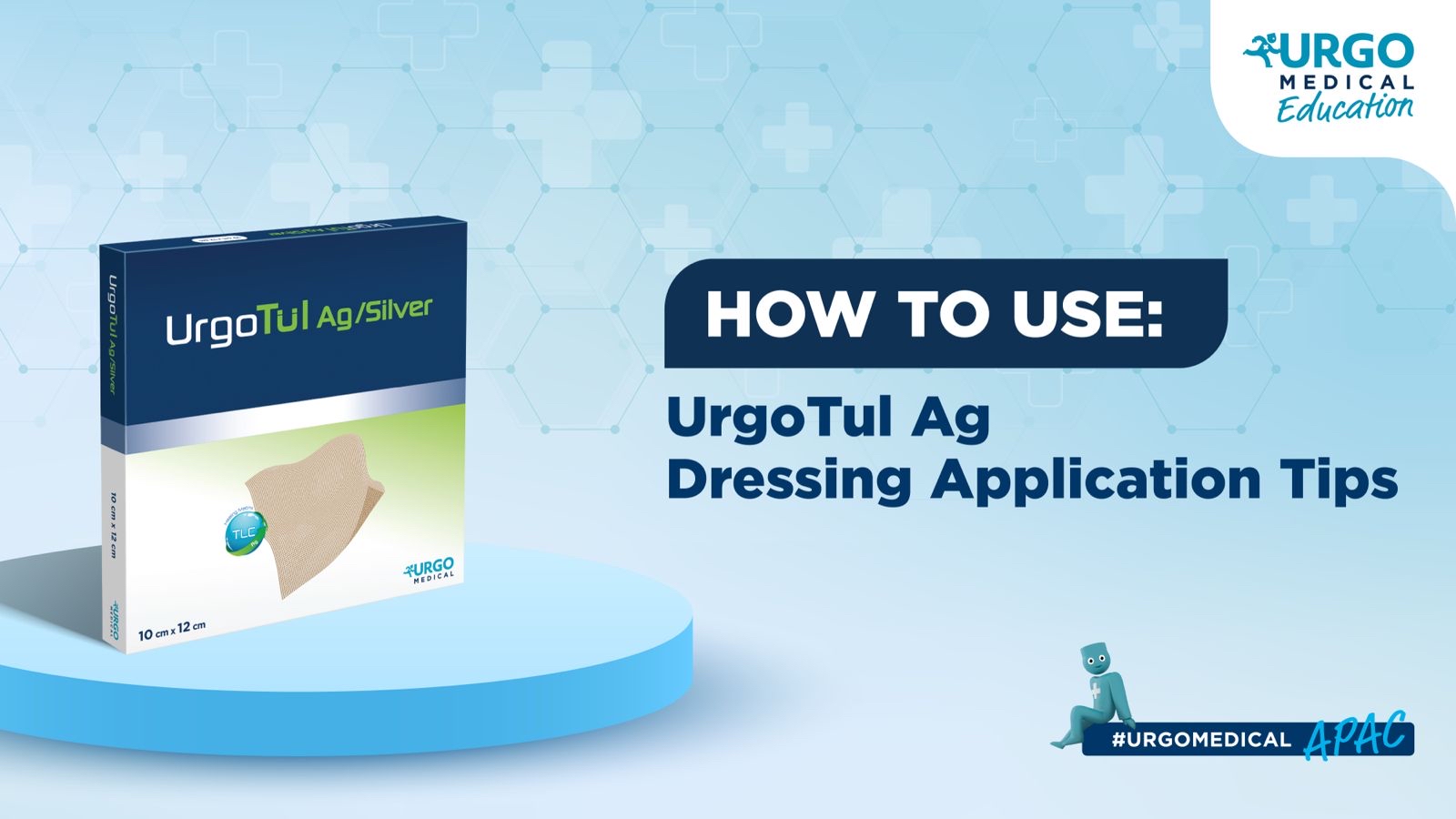
UrgoTul Ag Dressing Application Tips
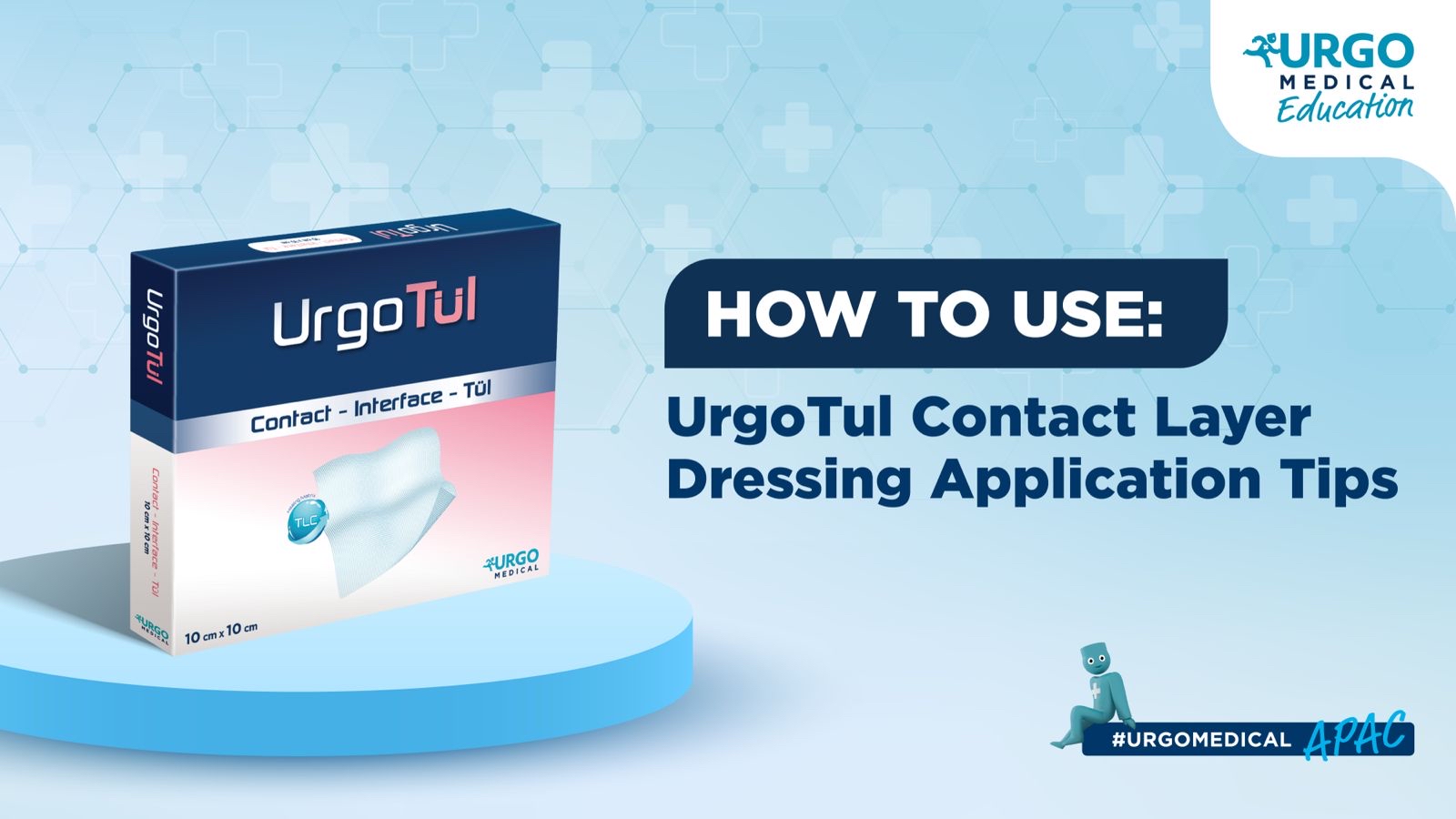
UrgoTul Contact Layer Dressing Application Tips
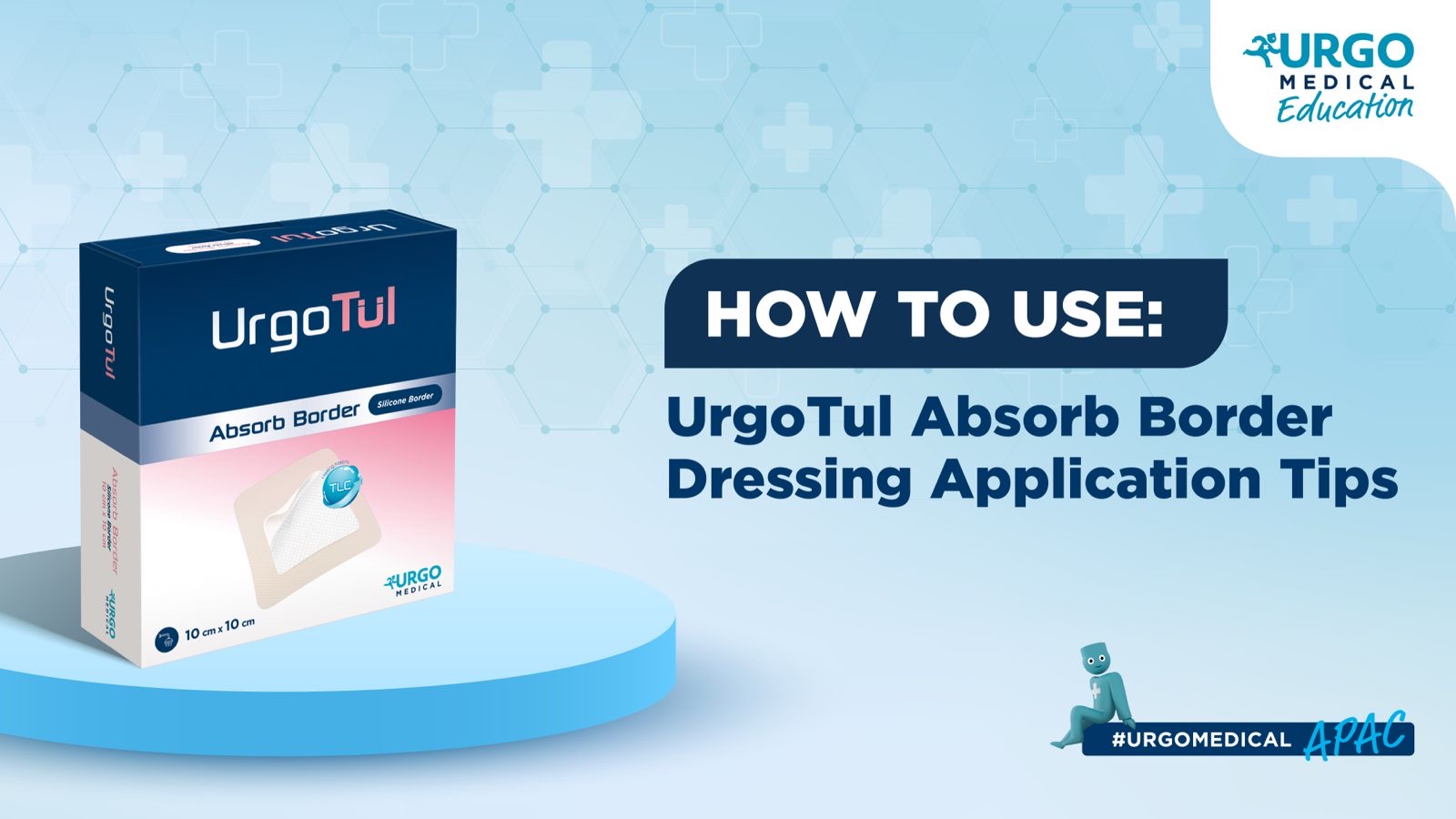
UrgoTul Absorb Border Dressing Application Tips
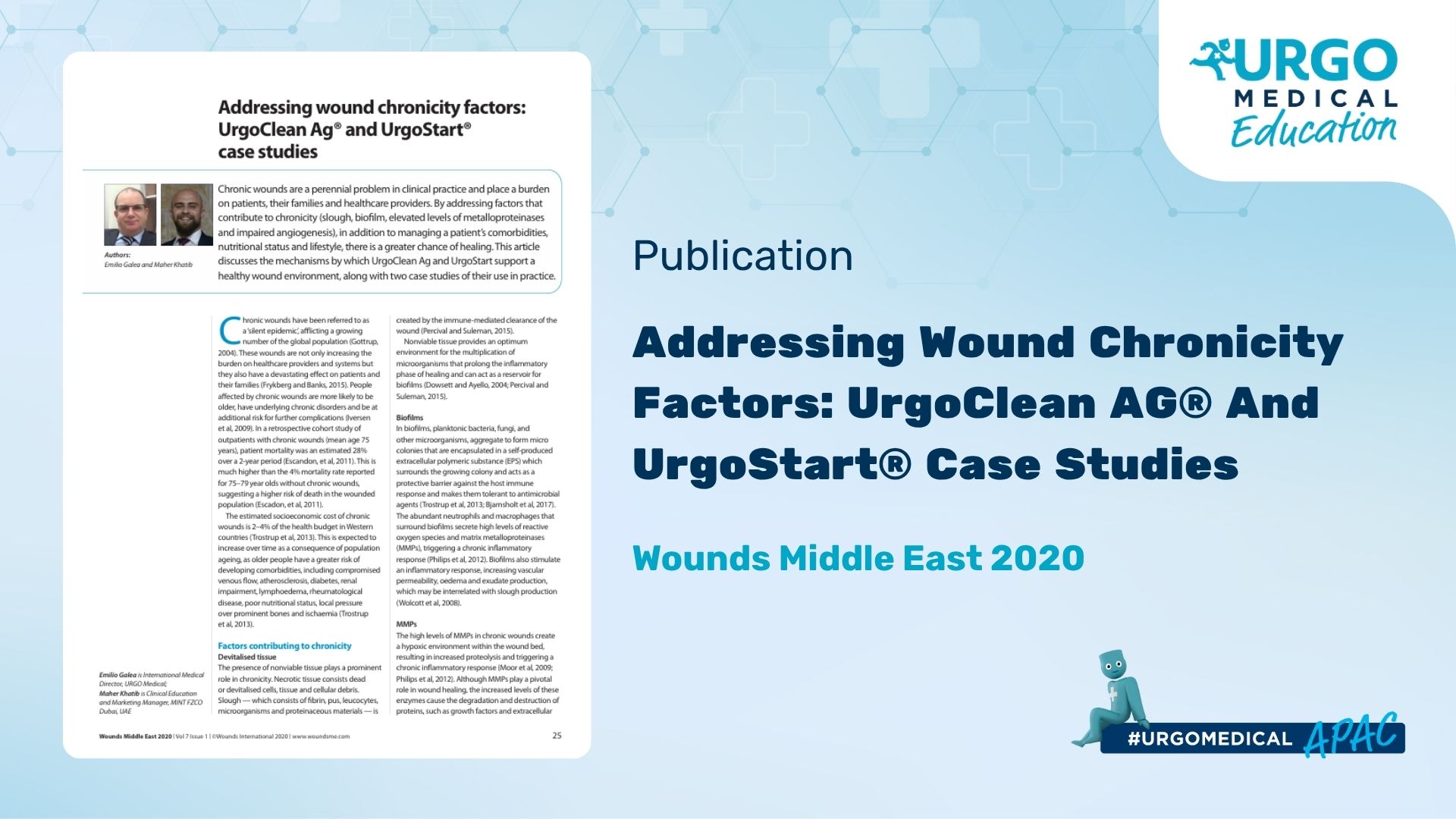
Addressing Wound Chronicity Factors UrgoClean AG® and UrgoStart® Case Studies
Chronic wounds are a perennial problem in clinical practice and place a burden on patients, their families and healthcare providers. By addressing factors that contribute to chronicity (slough, biofilm, elevated levels of metalloproteinases and impaired angiogenesis), in addition to managing a patient’s comorbidities, nutritional status and lifestyle, there is a greater chance of healing. This …
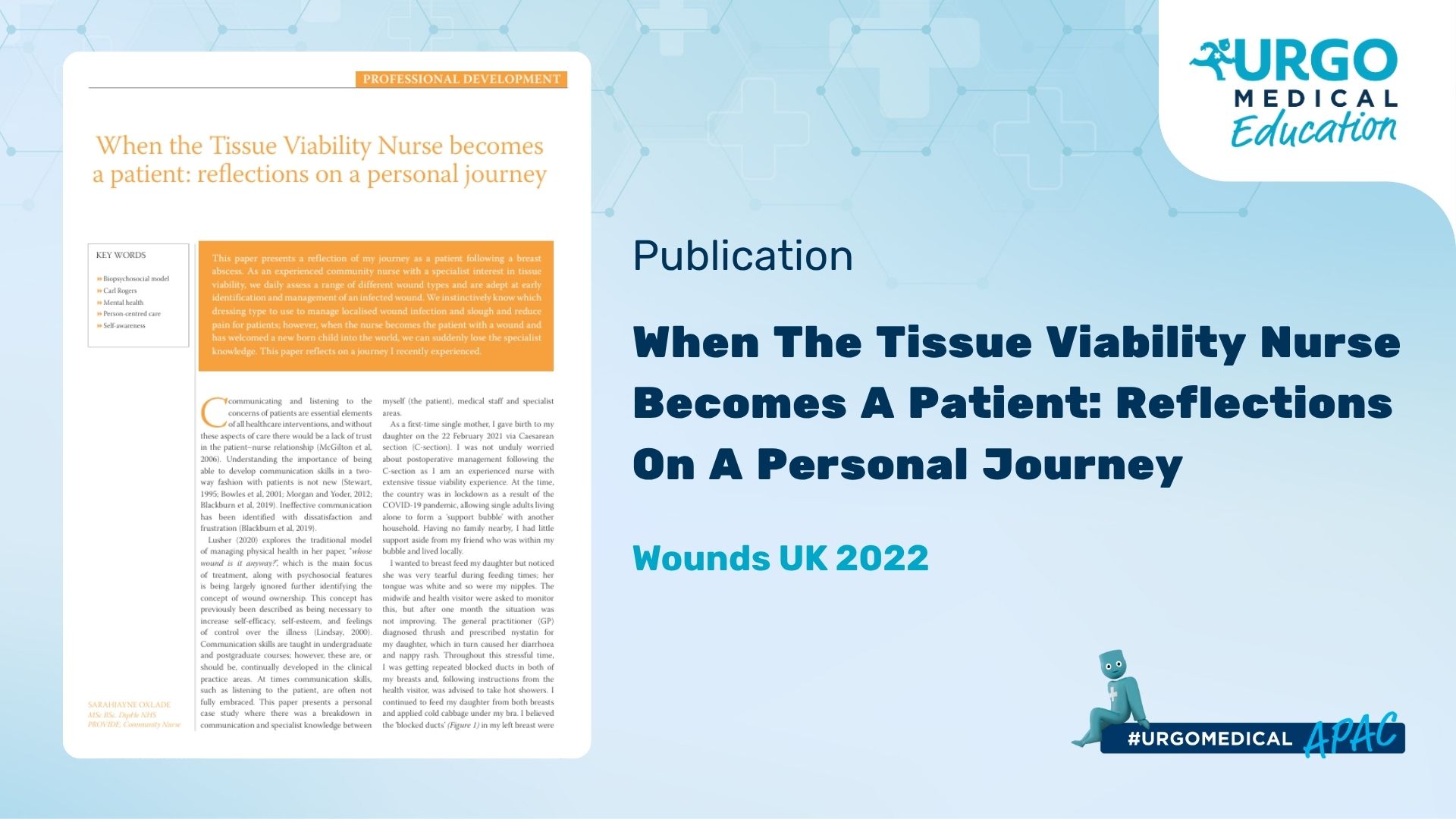
When the Tissue Viability Nurse becomes a patient reflections on a personal journey
This paper presents a reflection of my journey as a patient following a breast abscess. As an experienced community nurse with a specialist interest in tissue viability, we daily assess a range of different wound types and are adept at early identification and management of an infected wound. We instinctively know which dressing type to …
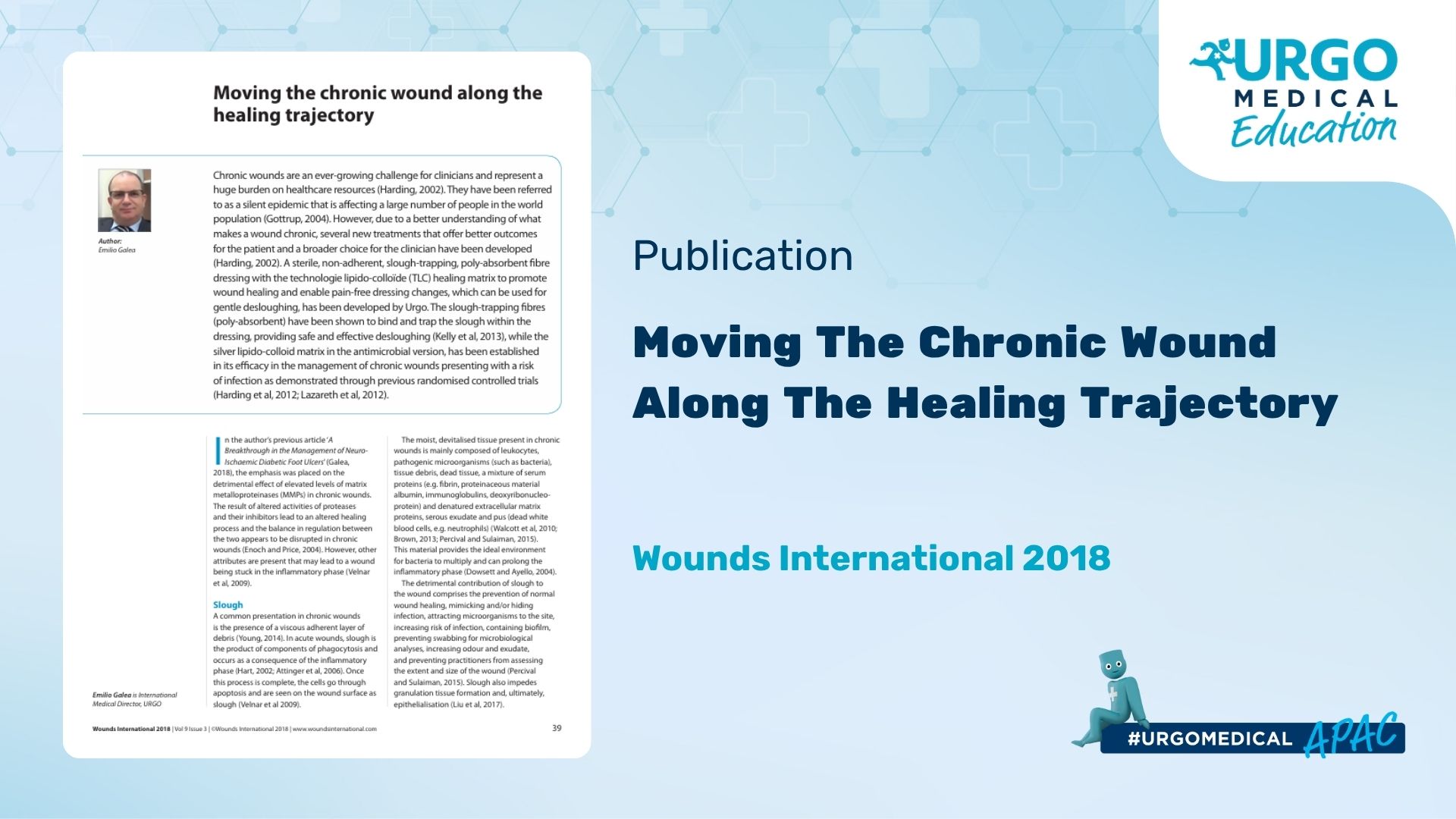
Moving the chronic wound along the healing trajectory
Chronic wounds are an ever-growing challenge for clinicians and represent a huge burden on healthcare resources (Harding, 2002). They have been referred to as a silent epidemic that is affecting a large number of people in the world population (Gottrup, 2004). However, due to a better understanding of what makes a wound chronic, several new …
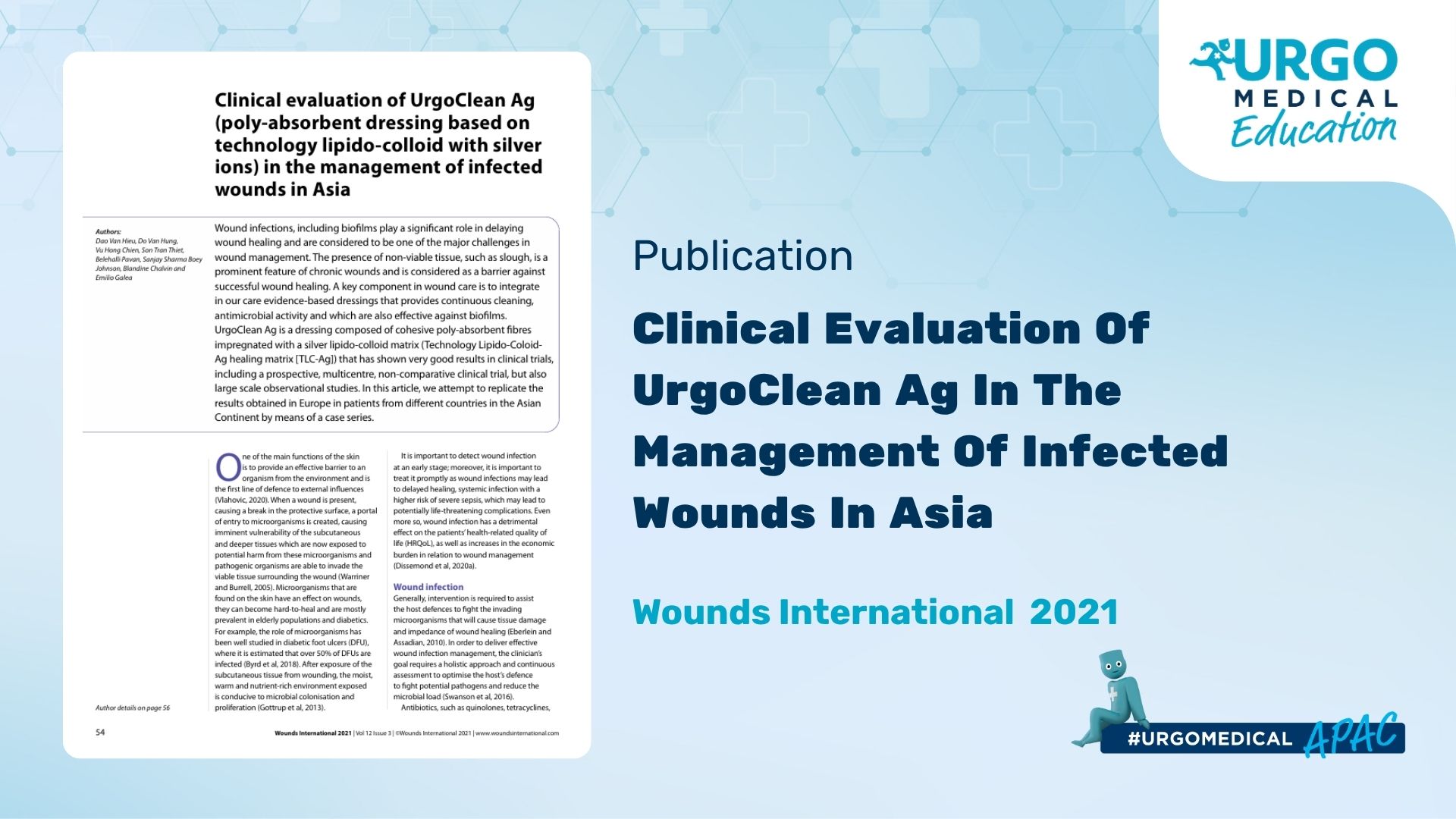
Clinical Evaluation of UrgoClean AG (Poly-Absorbent Dressing based on Technology Lipido-Colloid with Silver Ions) in the Management of Infected Wounds in Asia
Wound infections, including biofilms play a significant role in delaying wound healing and are considered to be one of the major challenges in wound management. The presence of non-viable tissue, such as slough, is a prominent feature of chronic wounds and is considered as a barrier against successful wound healing. A key component in wound …
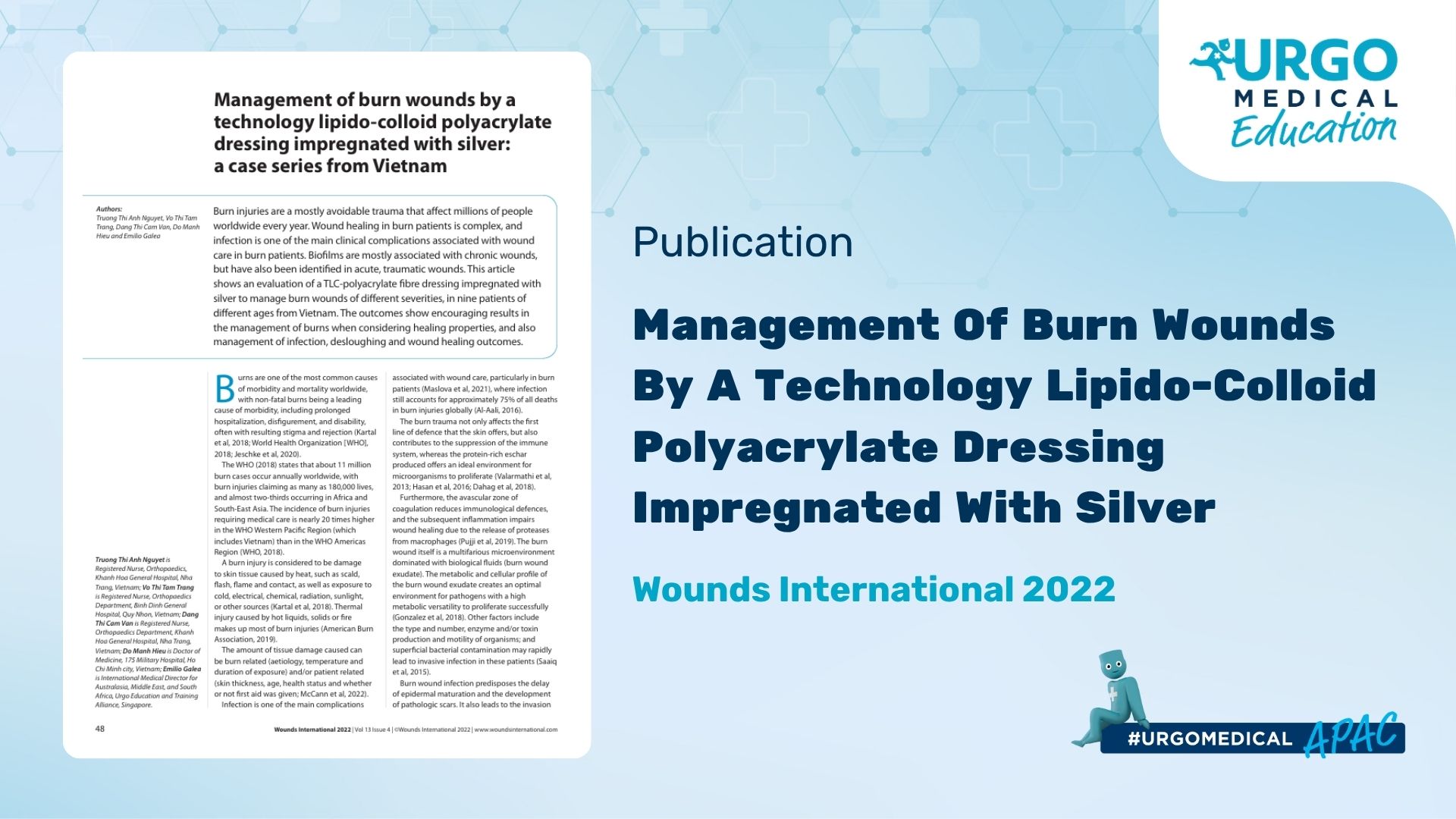
Management of Burn Wounds by a Technology Lipido-Colloid Polyacrylate Dressing Impregnated with Silver A Case Series from Vietnam
Burn injuries are a mostly avoidable trauma that affect millions of people worldwide every year. Wound healing in burn patients is complex, and infection is one of the main clinical complications associated with wound care in burn patients. Biofilms are mostly associated with chronic wounds, but have also been identified in acute, traumatic wounds. This …
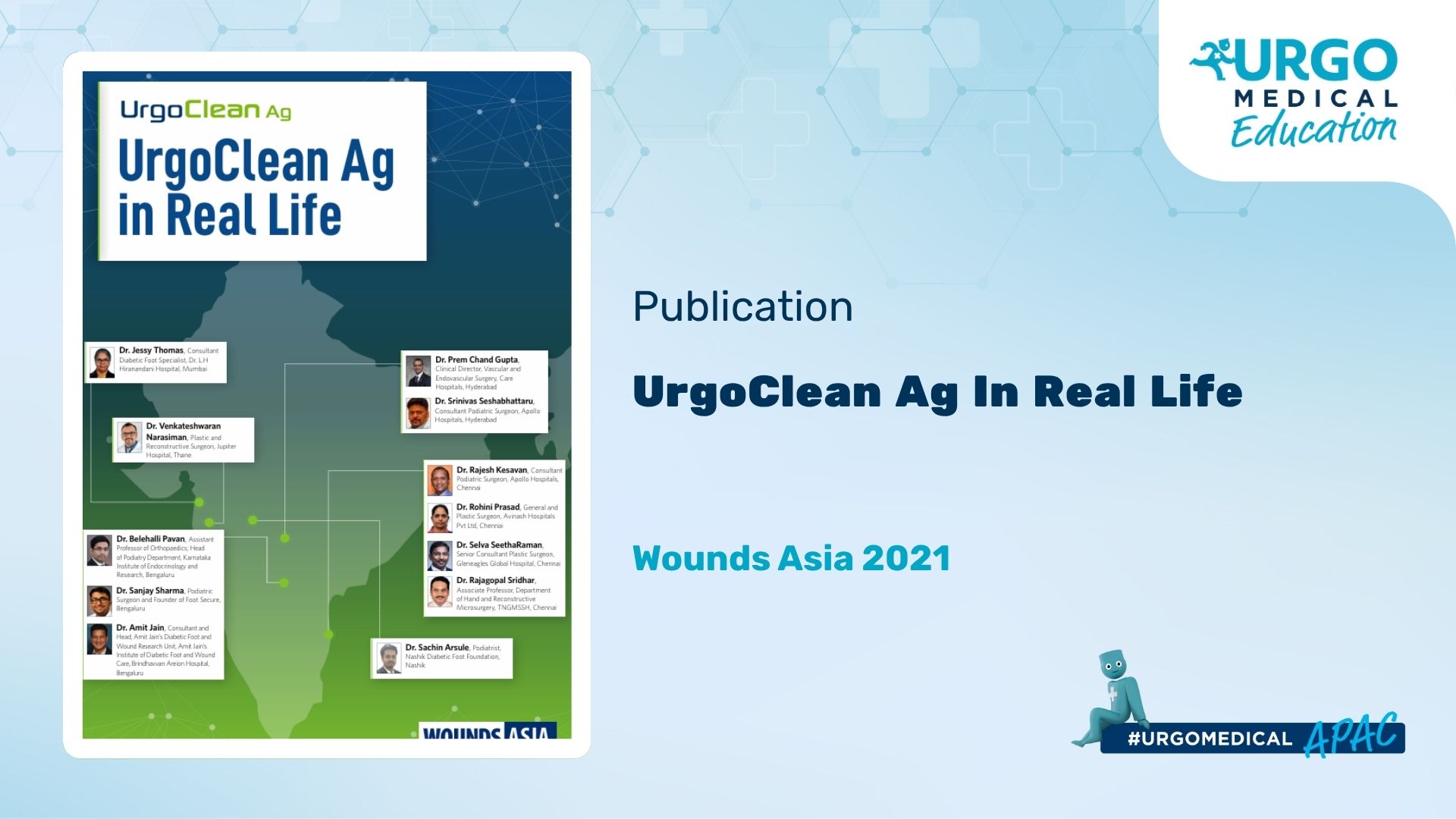
UrgoClean AG in Real Life
In 2019, the International Diabetes Federation (IDF) reported that over 77 million individuals have diabetes in India, which will increase to over 100 million by 2030 (IDF, 2019). Of these people with diabetes, 25% will develop a diabetic foot ulcer (DFU), equating to 5 million by 2030. Overall, half of ulcers become infected during the …
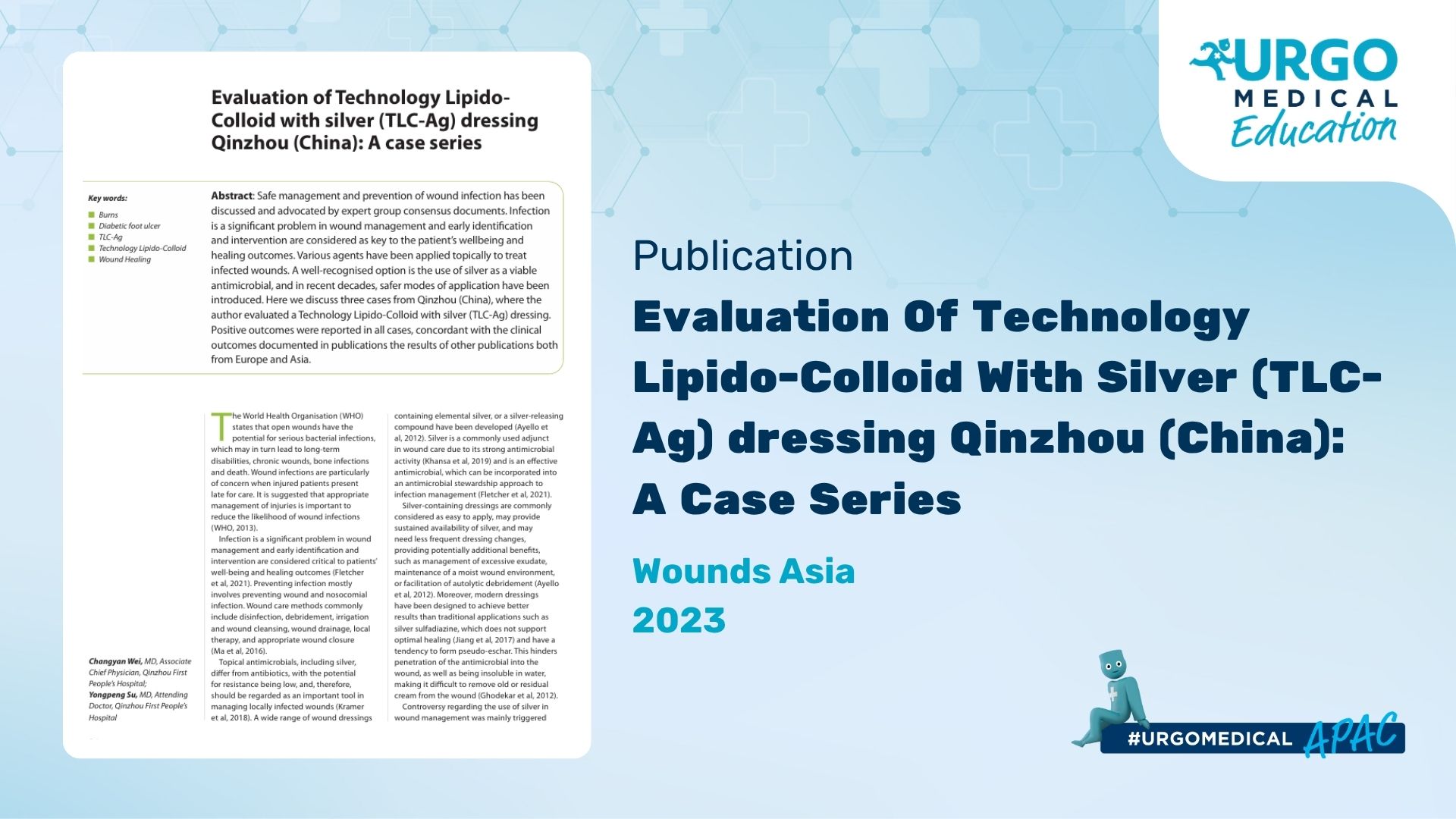
Evaluation of Technology Lipido Colloid with Silver (TLC-Ag) Dressing Qinzhou (China) A Case Series
Safe management and prevention of wound infection has been discussed and advocated by expert group consensus documents. Infection is a significant problem in wound management and early identification and intervention are considered as key to the patient’s wellbeing and healing outcomes. Various agents have been applied topically to treat infected wounds. A well-recognised option is …
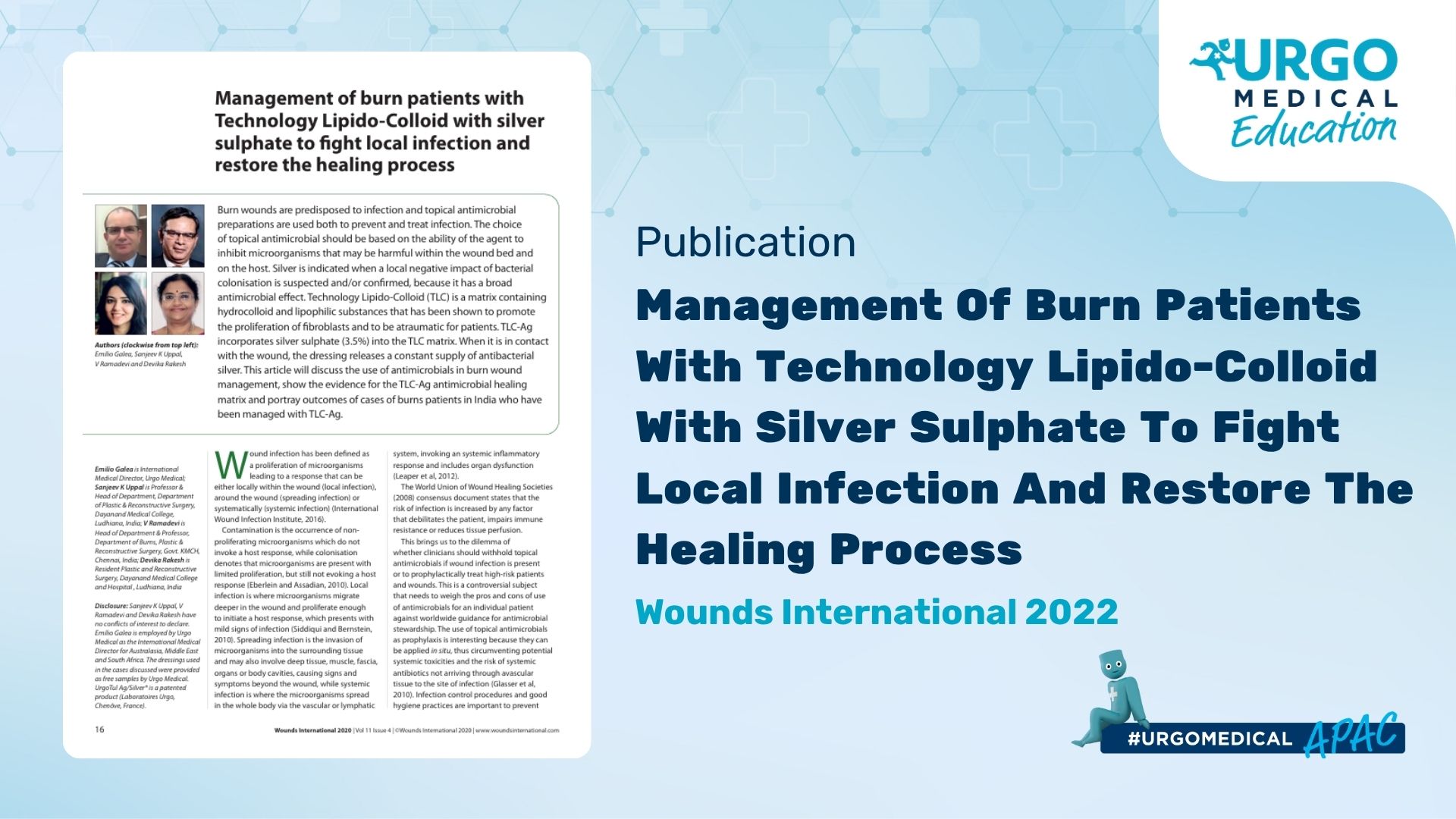
Management of Burn patients with Technology Lipido-Colloid with Silver Sulphate to Fight Local Infection and Restore the Healing Process
Burn wounds are predisposed to infection and topical antimicrobial preparations are used both to prevent and treat infection. The choice of topical antimicrobial should be based on the ability of the agent to inhibit microorganisms that may be harmful within the wound bed and on the host. Silver is indicated when a local negative impact …
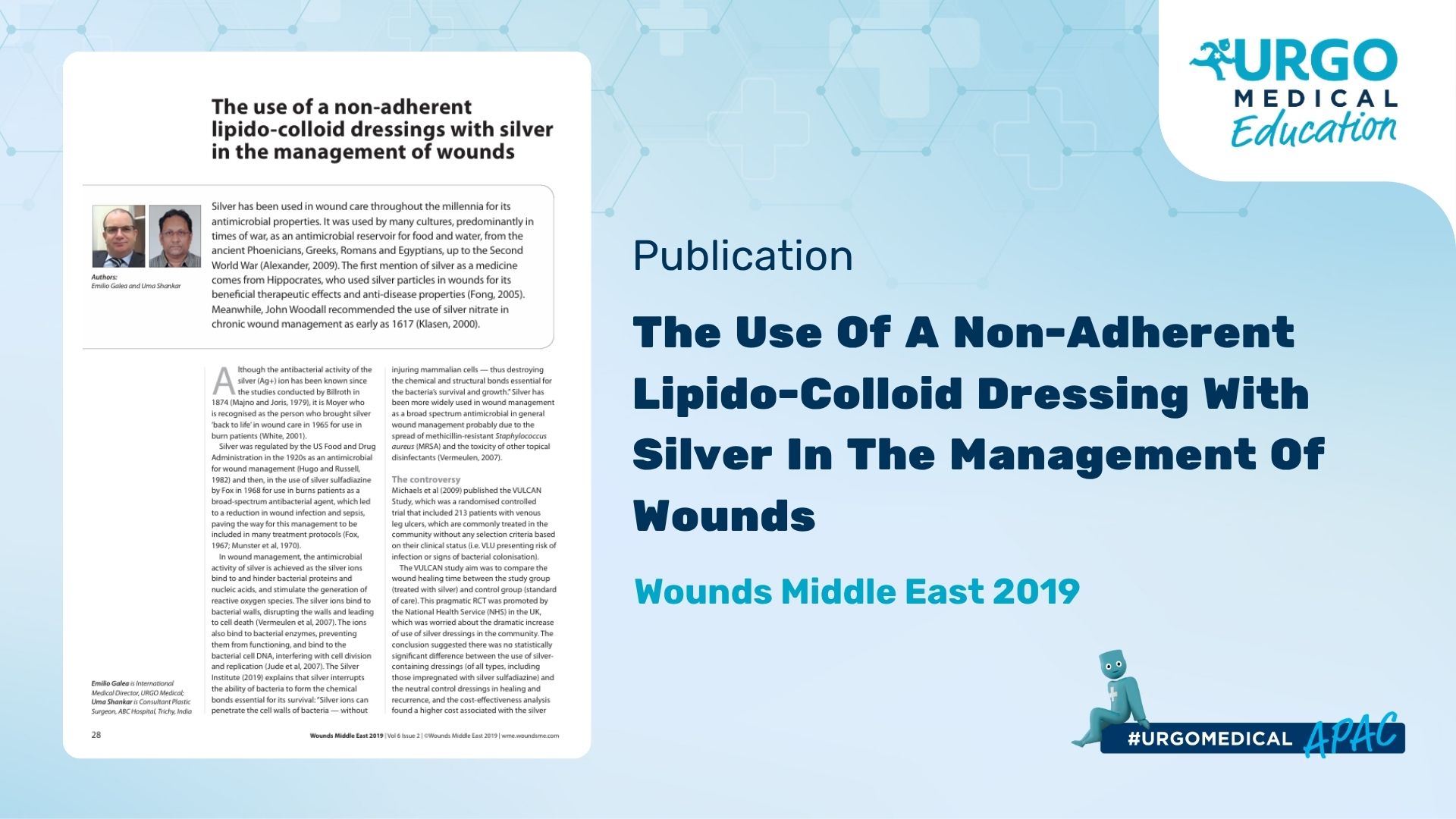
The Use of a Non-adherent Lipido-Colloid Dressings with Silver in the Management of Wounds
Silver has been used in wound care throughout the millennia for its antimicrobial properties. It was used by many cultures, predominantly in times of war, as an antimicrobial reservoir for food and water, from the ancient Phoenicians, Greeks, Romans and Egyptians, up to the Second World War (Alexander, 2009). The first mention of silver as …
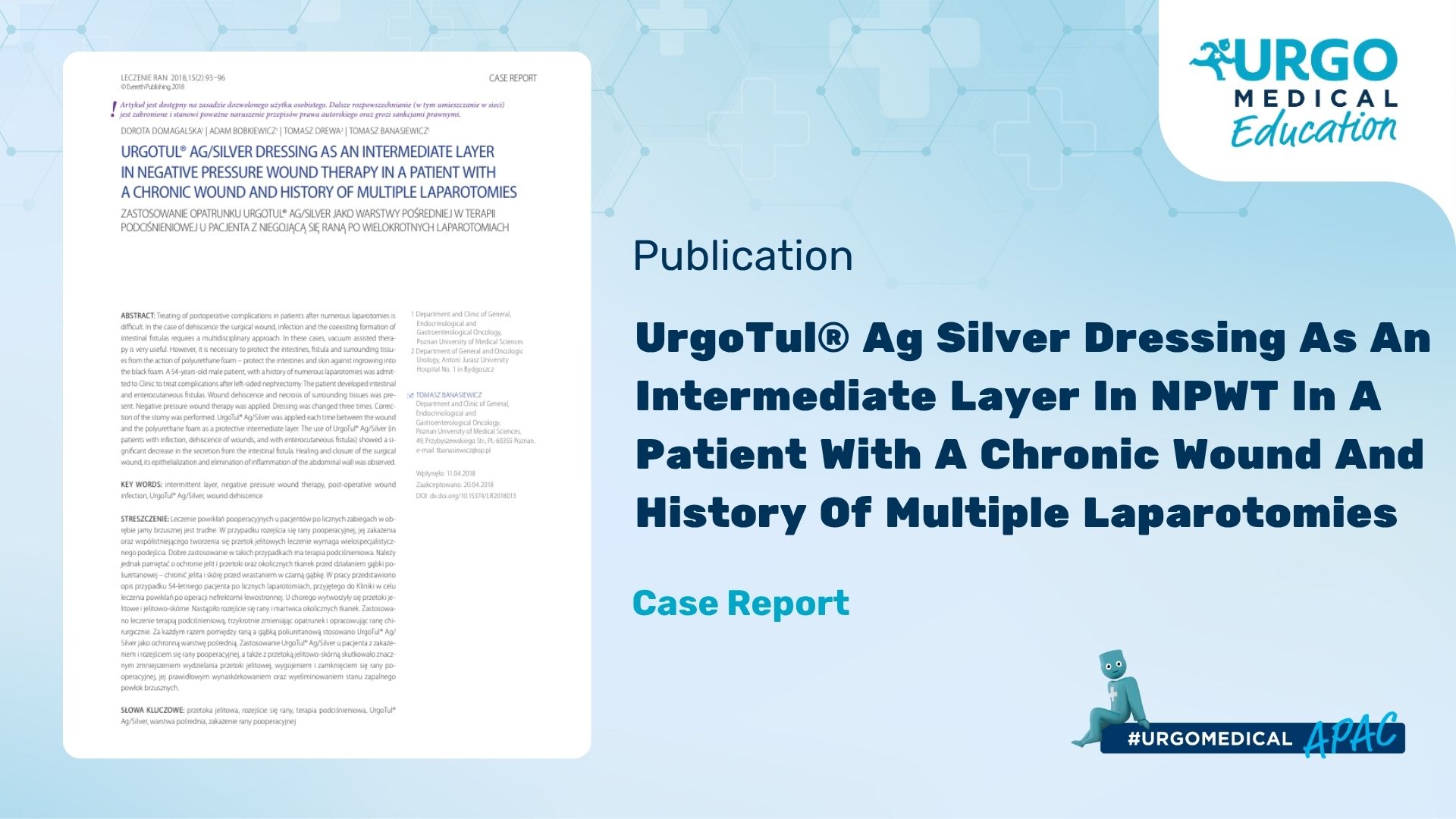
URGOTUL® AG/Silver Dressing as an Intermediate Layer in Negative Pressure Wound Therapy in a Patient with a Chronic Wound and History of Multiple Laparotomies
Treating of postoperative complications in patients after numerous laparotomies is difficult. In the case of dehiscence the surgical wound, infection and the coexisting formation of intestinal fistulas requires a multidisciplinary approach. In these cases, vacuum assisted thera py is very useful. However, it is necessary to protect the intestines, fistula and surrounding tissu es from …
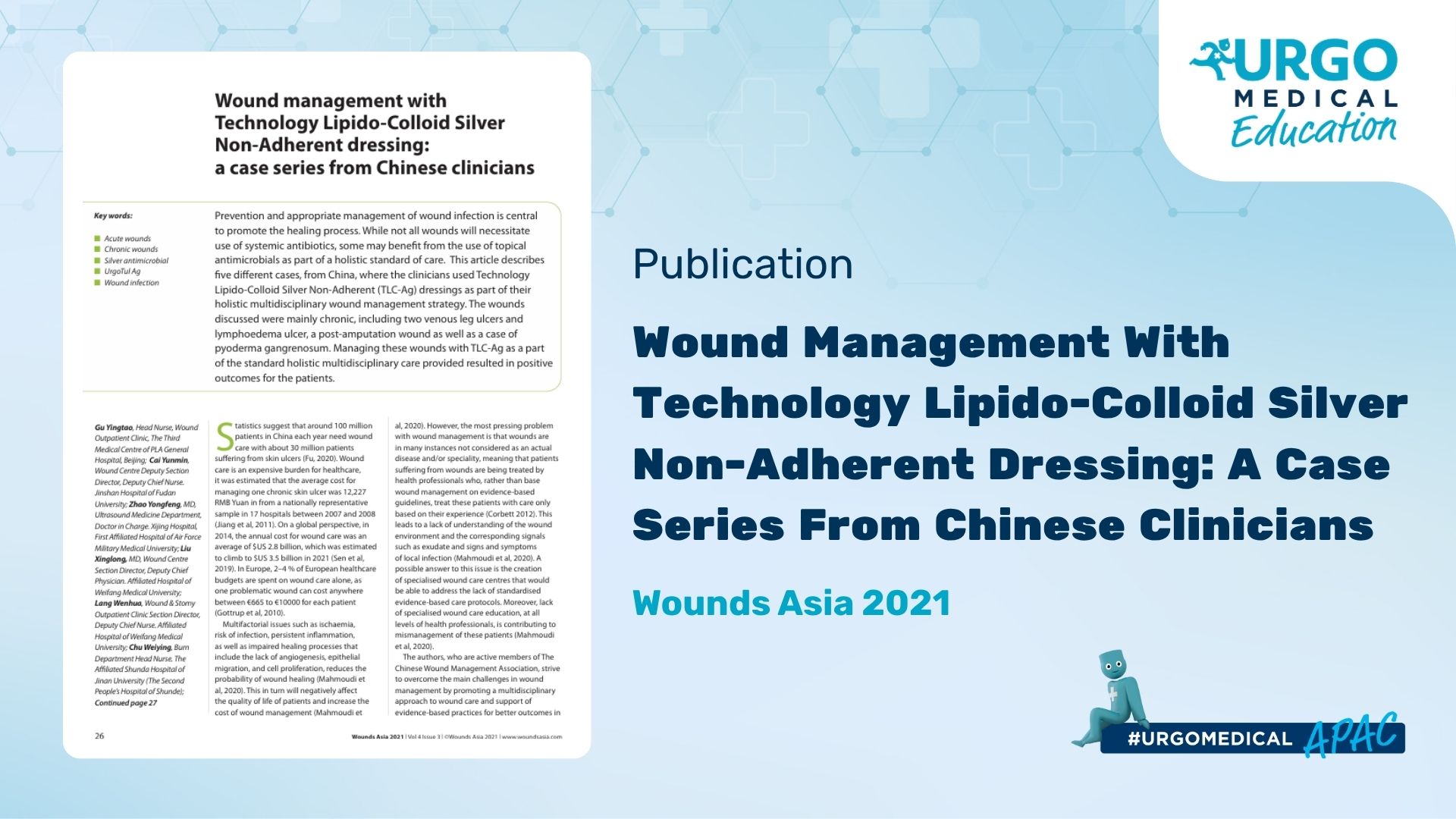
Wound management with Technology Lipido-Colloid Silver Non-Adherent dressing a case series from Chinese clinicians
Prevention and appropriate management of wound infection is central to promote the healing process. While not all wounds will necessitate use of systemic antibiotics, some may benefit from the use of topical antimicrobials as part of a holistic standard of care. This article describes five different cases, from China, where the clinicians used Technology Lipido-Colloid …
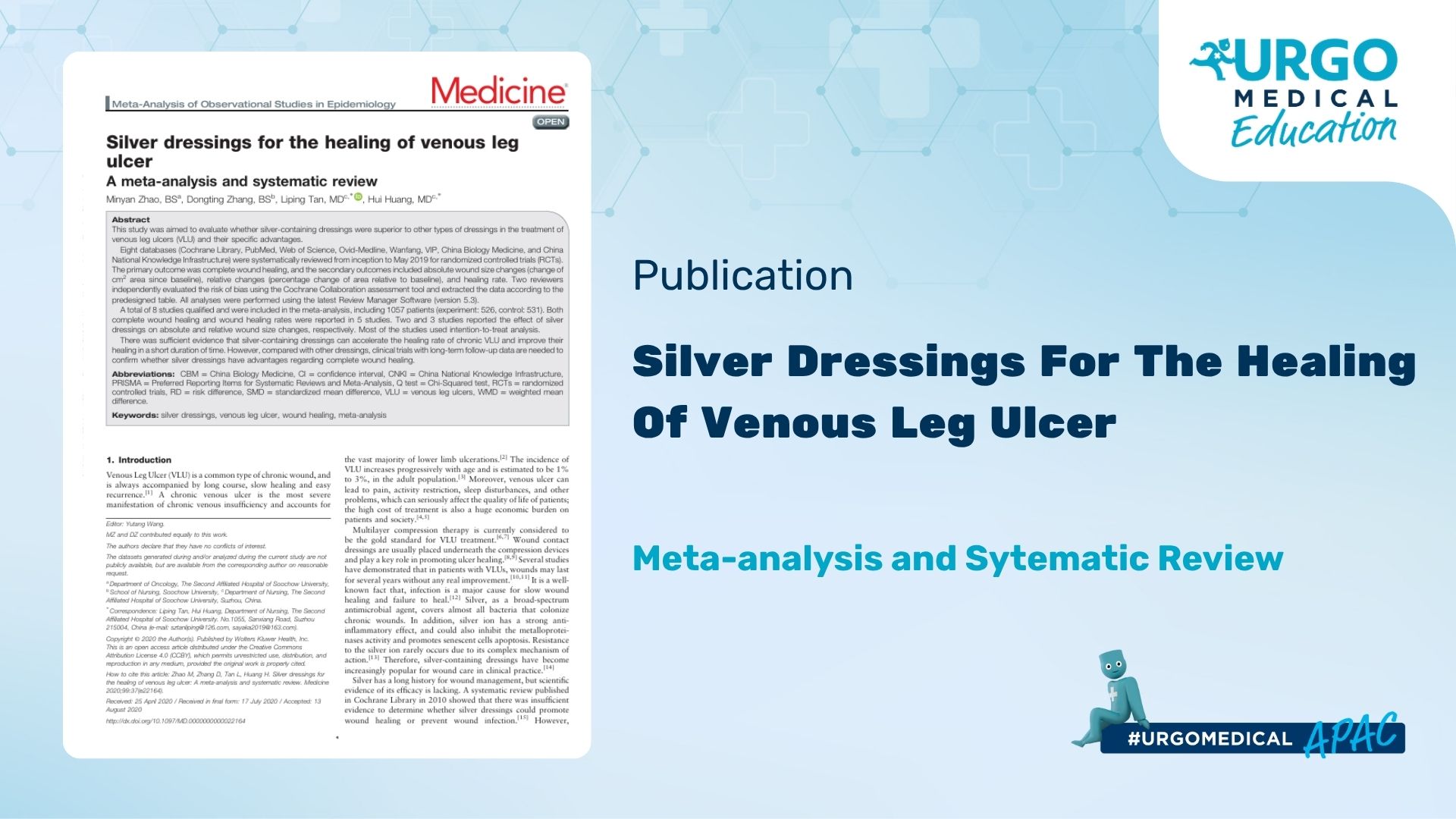
Silver Dressings for the Healing of Venous Leg Ulcer a Meta-Analysis and Systematic Review
Abstract This study was aimed to evaluate whether silver-containing dressings were superior to other types of dressings in the treatment of venous leg ulcers (VLU) and their specific advantages. Eight databases (Cochrane Library, PubMed, Web of Science, Ovid-Medline, Wanfang, VIP, China Biology Medicine, and China National Knowledge Infrastructure) were systematically reviewed from inception to May …
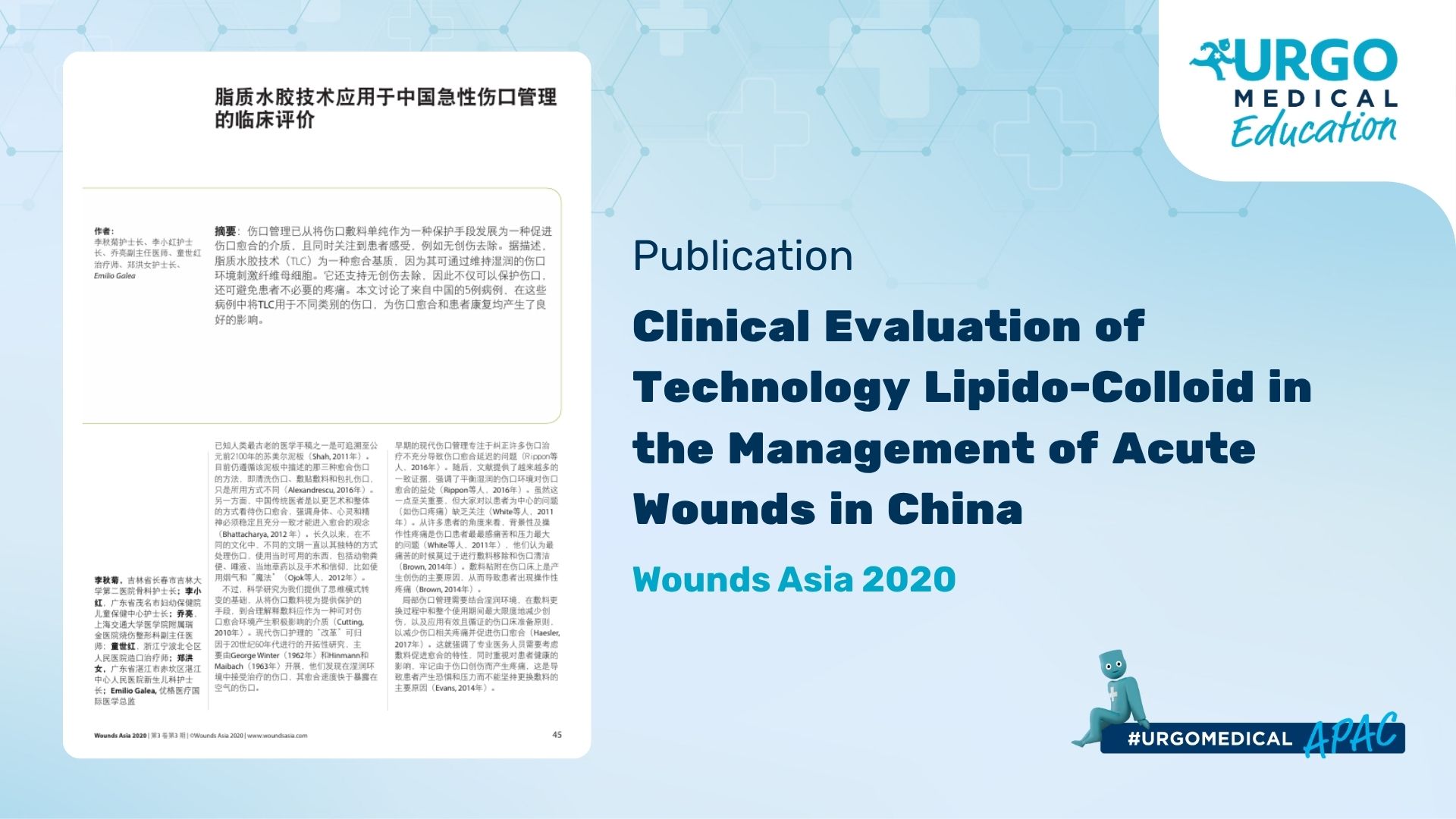
Clinical Evaluation of Technology Lipido-Colloid in the Management of Acute Wounds in China
Wound management has evolved from considering wound dressings as a means to provide protection to a medium that enhances wound healing and also takes into consideration patient aspects such as atraumatic removal. Technology-lipido colloid (TLC) is described as a healing matrix as it stimulates fibroblasts, which is achieved through maintaining a moist wound environment. It …
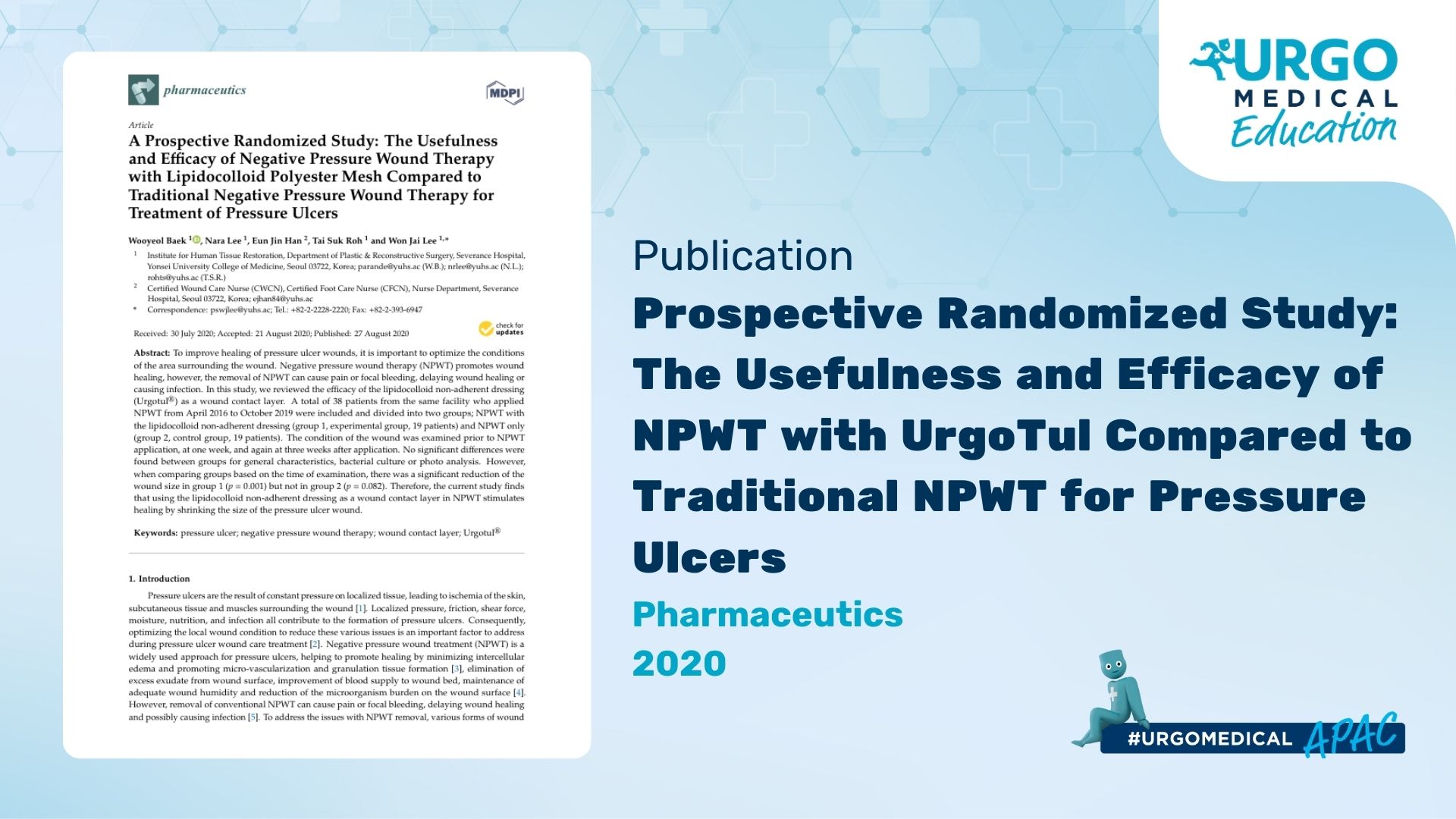
A Prospective Randomized Study The Usefulness and Efficacy of Negative Pressure Wound Therapy with Lipido-Colloid Polyester Mesh Compared to Traditional Negative Pressure Wound Therapy for Treatment of Pressure Ulcers
To improve healing of pressure ulcer wounds, it is important to optimize the conditions of the area surrounding the wound. Negative pressure wound therapy (NPWT) promotes wound healing, however, the removal of NPWT can cause pain or focal bleeding, delaying wound healing or causing infection. In this study, we reviewed the e cacy of the …
The Importance of Pain Reduction through Dressing Selection in Routine Wound Management The MAPP Study
Objective: To discover the incidence of pain in patients with acute or chronic wounds of various causes during dressing removal, and the effect of switching to a non-adherent dressing. l Method: A total of 656 primary care physicians reported the relevant details of all acute or chronic wounds observed during routine visits throughout the study …
Evaluation of a Lipido-Colloid Wound Dressing in the Local Management of Leg Ulcers
Objective: To evaluate the efficacy, tolerance and acceptability of Urgotul and DuoDERM E dressings in the local management of venous or mixed-aetiology leg ulcers. l Method: This was a prospective multicentre randomised phase IV clinical trial conducted open-label in parallel groups. It involved 20 investigating centres, including hospital dermatology and vascular medicine departments, and private …
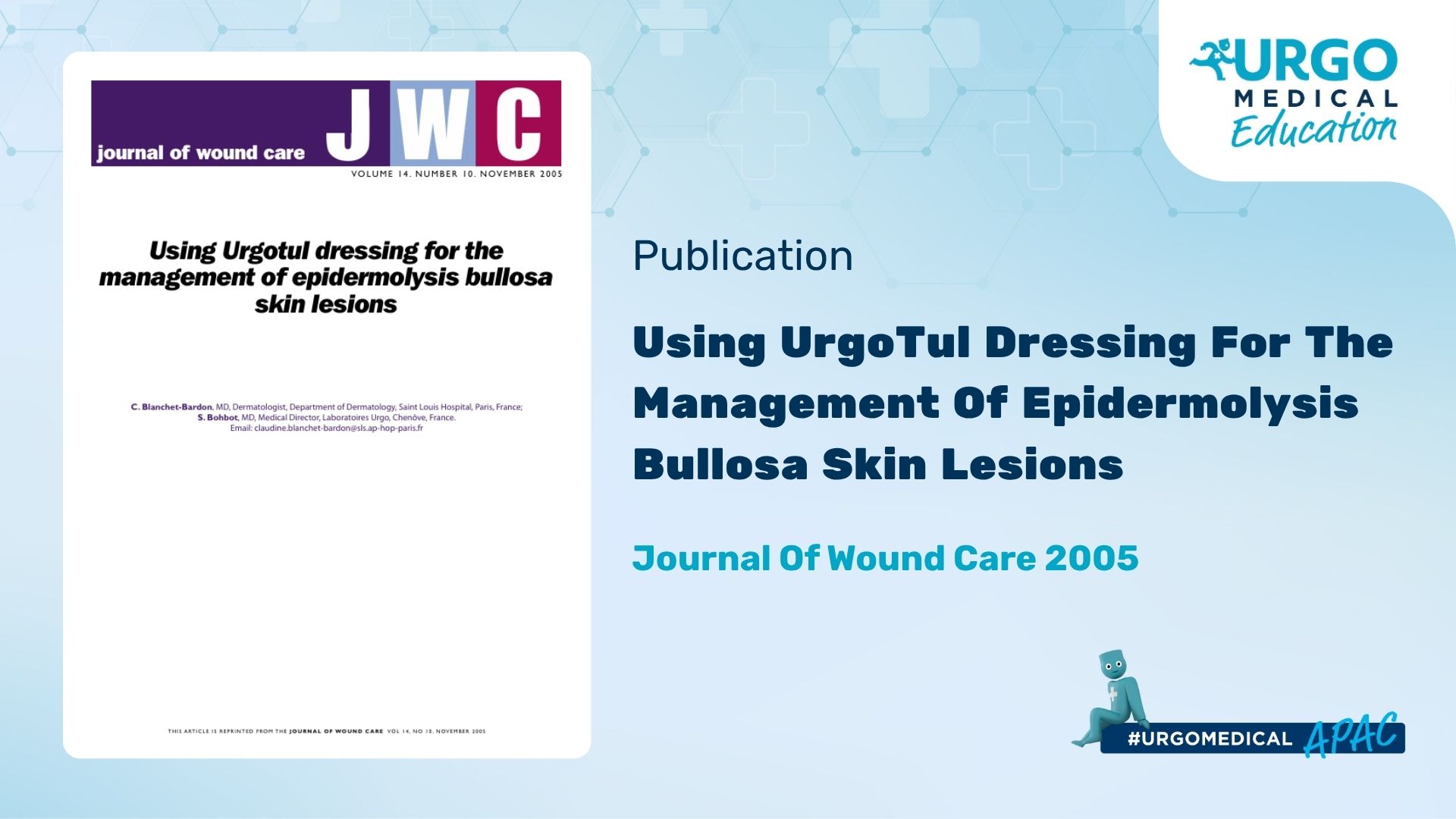
Using Urgotul Dressing for the Management of Epidermolysis Bullosa Skin Lesions
l Objective: To evaluate the acceptability, tolerance and efficacy of Urgotul wound dressing in the management of epidermolysis bullosa (EB) skin lesions. l Method: This was an open-label uncontrolled clinical trial involving 20 patients (11 adults and nine children) with EB simplex or dystrophic EB. Patients were selected from the register of EB patients at …
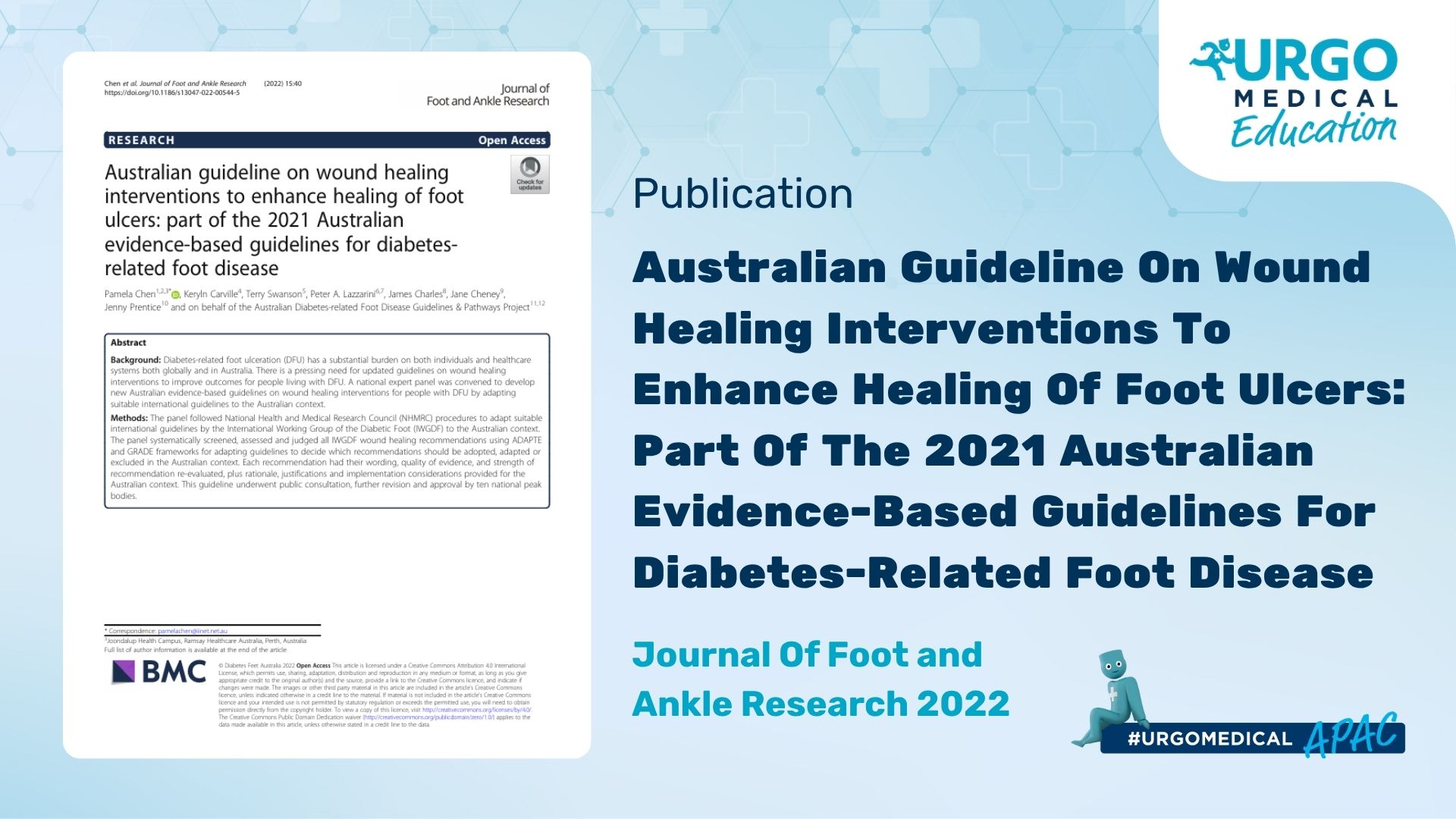
Australian Guideline on Wound Healing Interventions to Enhance Healing of Foot Ulcers Part of the 2021 Australian Evidence-Based Guidelines for Diabetes Related Foot Disease
Abstract Background: Diabetes-related foot ulceration (DFU) has a substantial burden on both individuals and healthcare systems both globally and in Australia. There is a pressing need for updated guidelines on wound healing interventions to improve outcomes for people living with DFU. A national expert panel was convened to develop new Australian evidence-based guidelines on wound …
UK NICE 2023 MTG42 UrgoStart for treating diabetic foot ulcers and leg ulcers
Evidence-based recommendations on UrgoStart for treating diabetic foot ulcers and leg ulcers. In April 2023, NICE updated section 1 to reflect the current format of NICE guidance. NICE also added some text to the clinical evidence section to summarise new clinical evidence reviewed. NICE’s recommendations for UrgoStart remain unchanged. More details are in the review …
Practical Guidelines on the Prevention and Management of Diabetes-Related Foot Disease IWGDF 2023 Update
Diabetes-related foot disease results in a major global burden for patients and the healthcare system. The International Working Group on the Diabetic Foot (IWGDF) has been producing evidence-based guidelines on the prevention and management of diabetes-related foot disease since 1999. In 2023, all IWGDF Guidelines have been updated, based on systematic reviews of the literature …
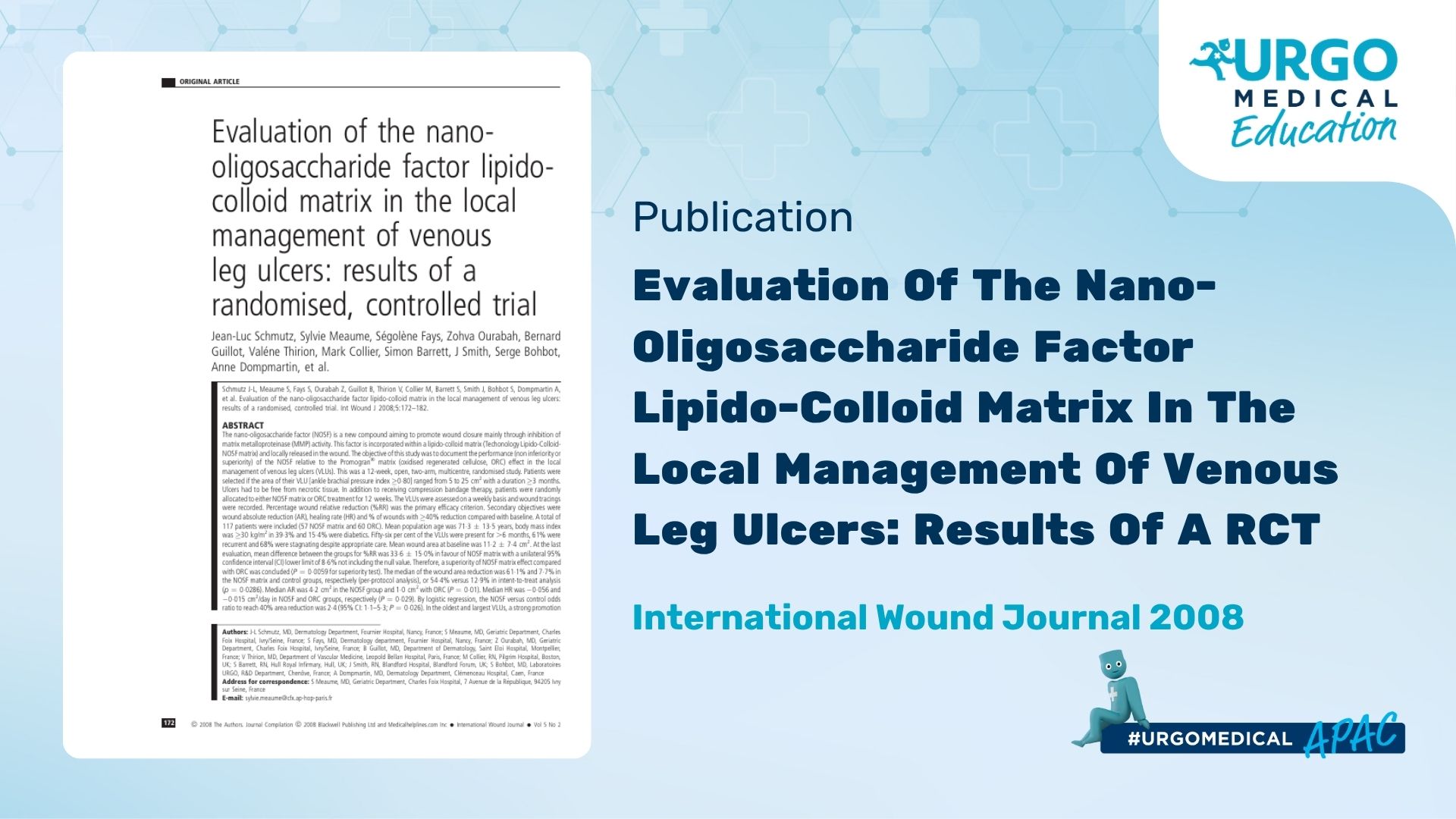
Evaluation of the Nanooligosaccharide Factor Lipido-Colloid Matrix in the Local Management of Venous Leg Ulcers Results of a Randomised, Controlled Trial
The nano-oligosaccharide factor (NOSF) is a new compound aiming to promote wound closure mainly through inhibition of matrix metalloproteinase (MMP) activity. This factor is incorporated within a lipido-colloid matrix (Techonology Lipido-Colloid-NOSF matrix) and locally released in the wound. The objective of this study was to document the performance (non inferiority or superiority) of the NOSF …
World Union of Wound Healing Societies Evidence in Wound Care
Wound management research improves patient care and clinical outcomes by standardising assessment, planning and implementation of treatment. In the field of wound care, high-level evidence is possible, but it can be difficult to conduct due to the wide-ranging nature of wounds and patients. Additionally, there is an ever-growing variety of products and devices available to …
UrgoStart Plus in Real Life
The prevalence of patients with chronic wounds continues to grow year-on-year and this places a substantial burden on health care resources. It is estimated that the NHS treats more than 2.2 million wounds annually, equating to 4.5% of the adult population, and the total cost of managing these wounds and associated co-morbidities is calculated to …
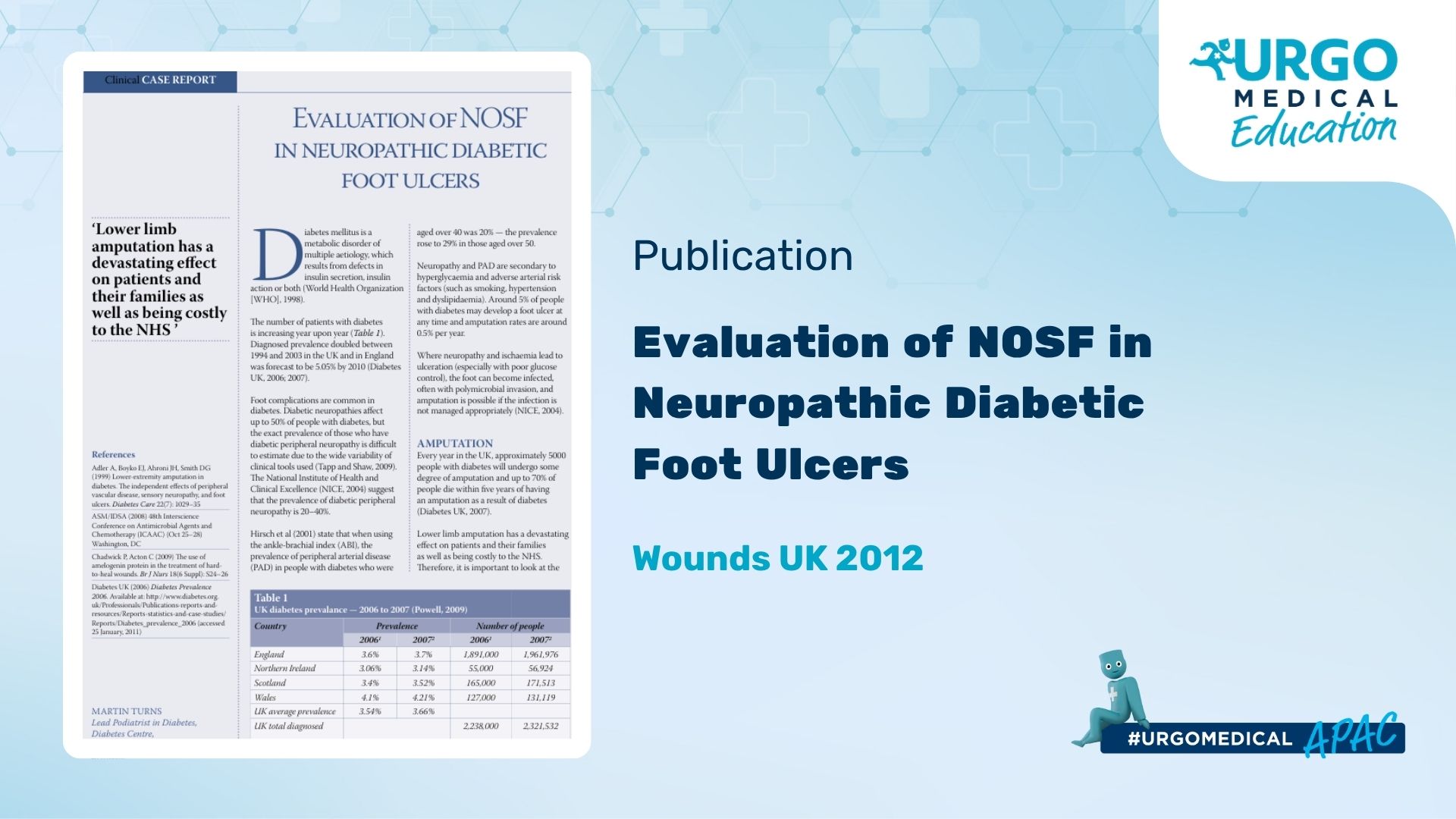
Evaluation of NOSF in Neuropathic Diabetic Foot Ulcers
Both case studies feature neuropathic patients who have good lower limb arterial blood flow and there is an expectancy these wounds will heal. However, it is the speed of healing that is interesting, as well as the fact that these wounds were progressed from a non/slow-healing state into a healed state. Of particular interest is …
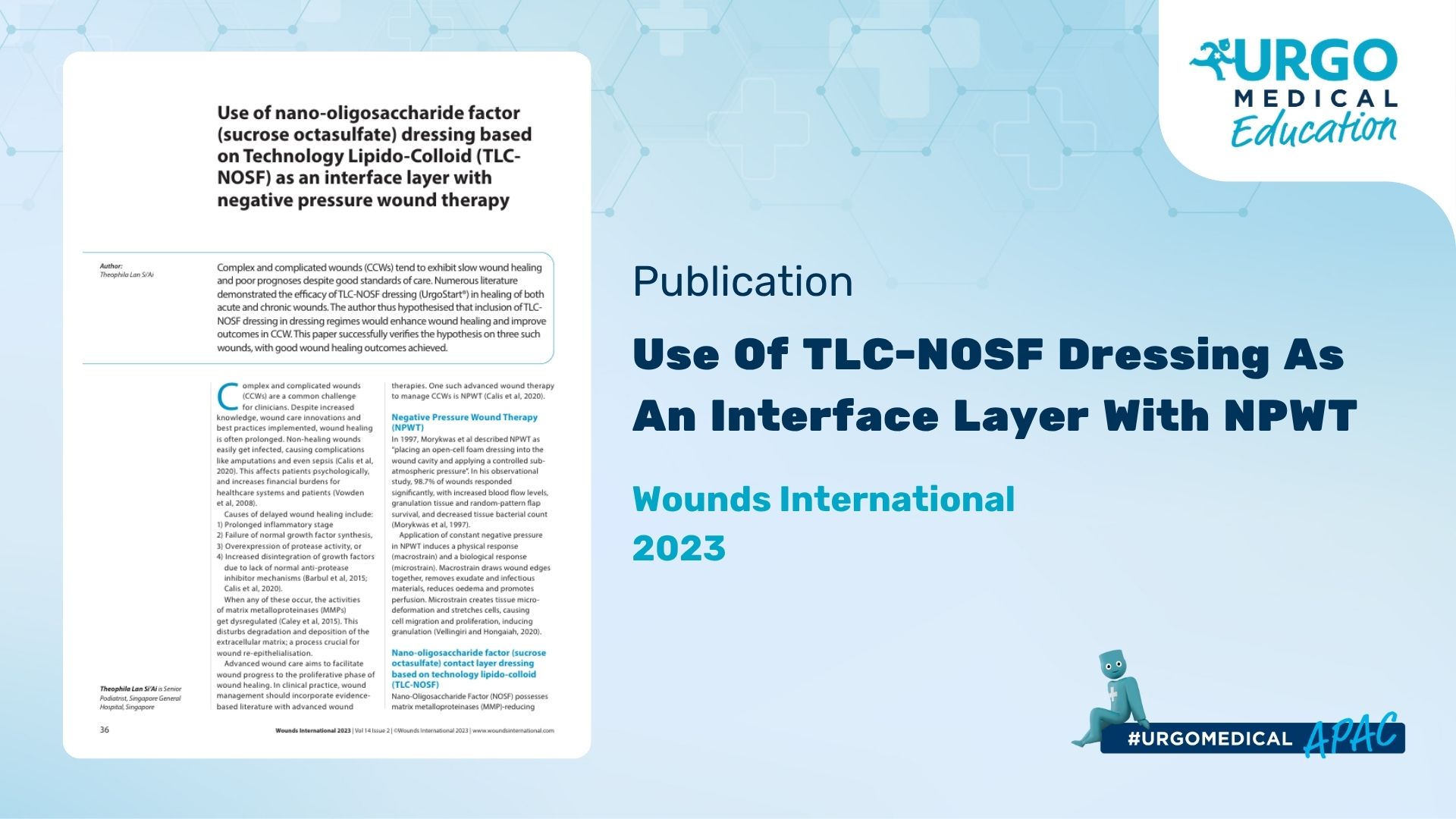
Use of Nano-Oligosaccharide Factor (Sucrose Octasulfate) Dressing Based on Technology Lipido-Colloid (TLC-NOSF) as an Interface Layer with Negative Pressure Wound Therapy
Complex and complicated wounds (CCWs) tend to exhibit slow wound healing and poor prognoses despite good standards of care. Numerous literature demonstrated the efficacy of TLC-NOSF dressing (UrgoStart®) in healing of both acute and chronic wounds. The author thus hypothesised that inclusion of TLC-NOSF dressing in dressing regimes would enhance wound healing and improve outcomes …
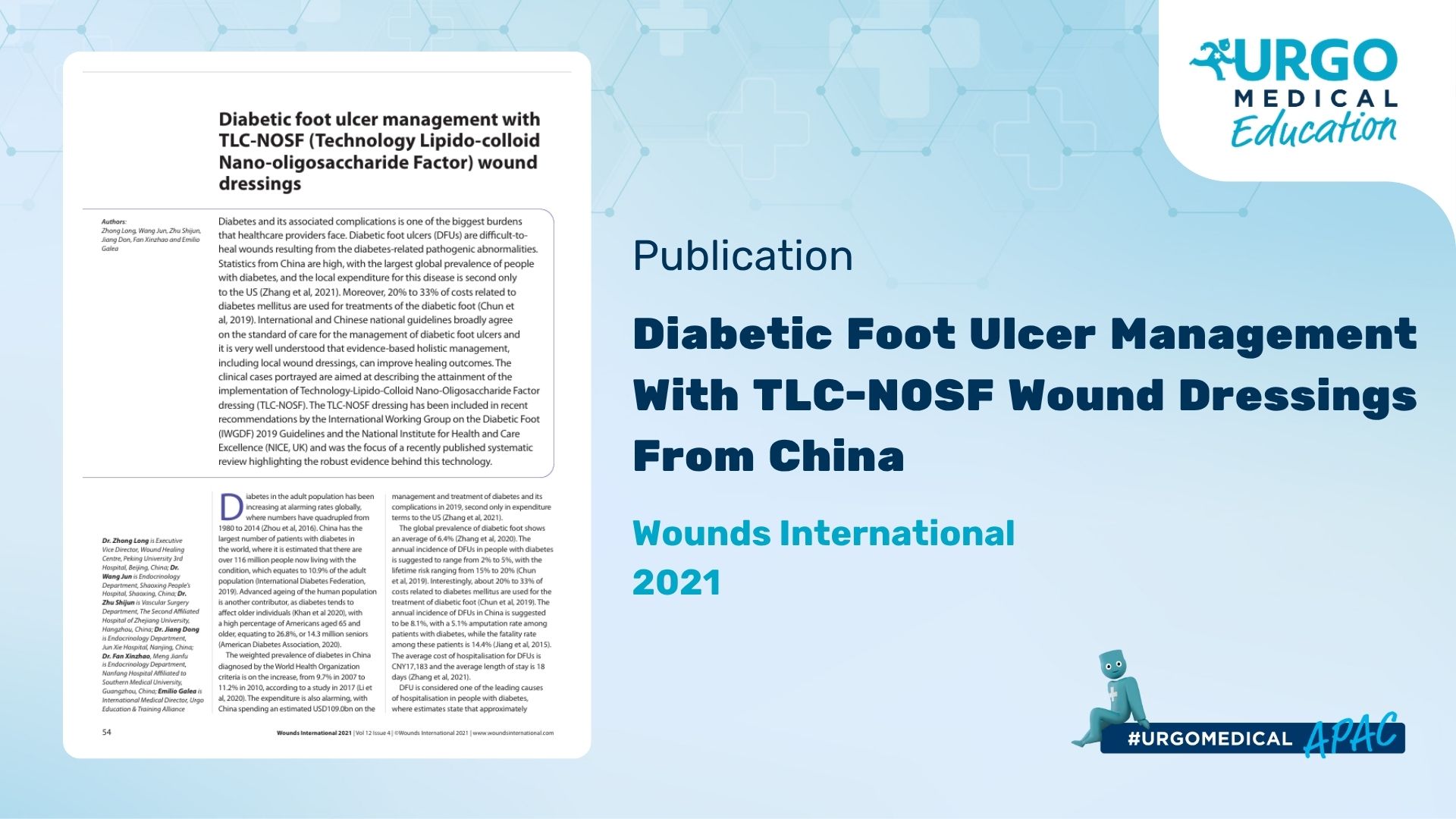
Diabetic Foot Ulcer Management with TLC-NOSF (Technology Lipido-Colloid Nano-Oligosaccharide Factor) Wound Dressings from China
Diabetes and its associated complications is one of the biggest burdens that healthcare providers face. Diabetic foot ulcers (DFUs) are difficult-toheal wounds resulting from the diabetes-related pathogenic abnormalities. Statistics from China are high, with the largest global prevalence of people with diabetes, and the local expenditure for this disease is second only to the US …
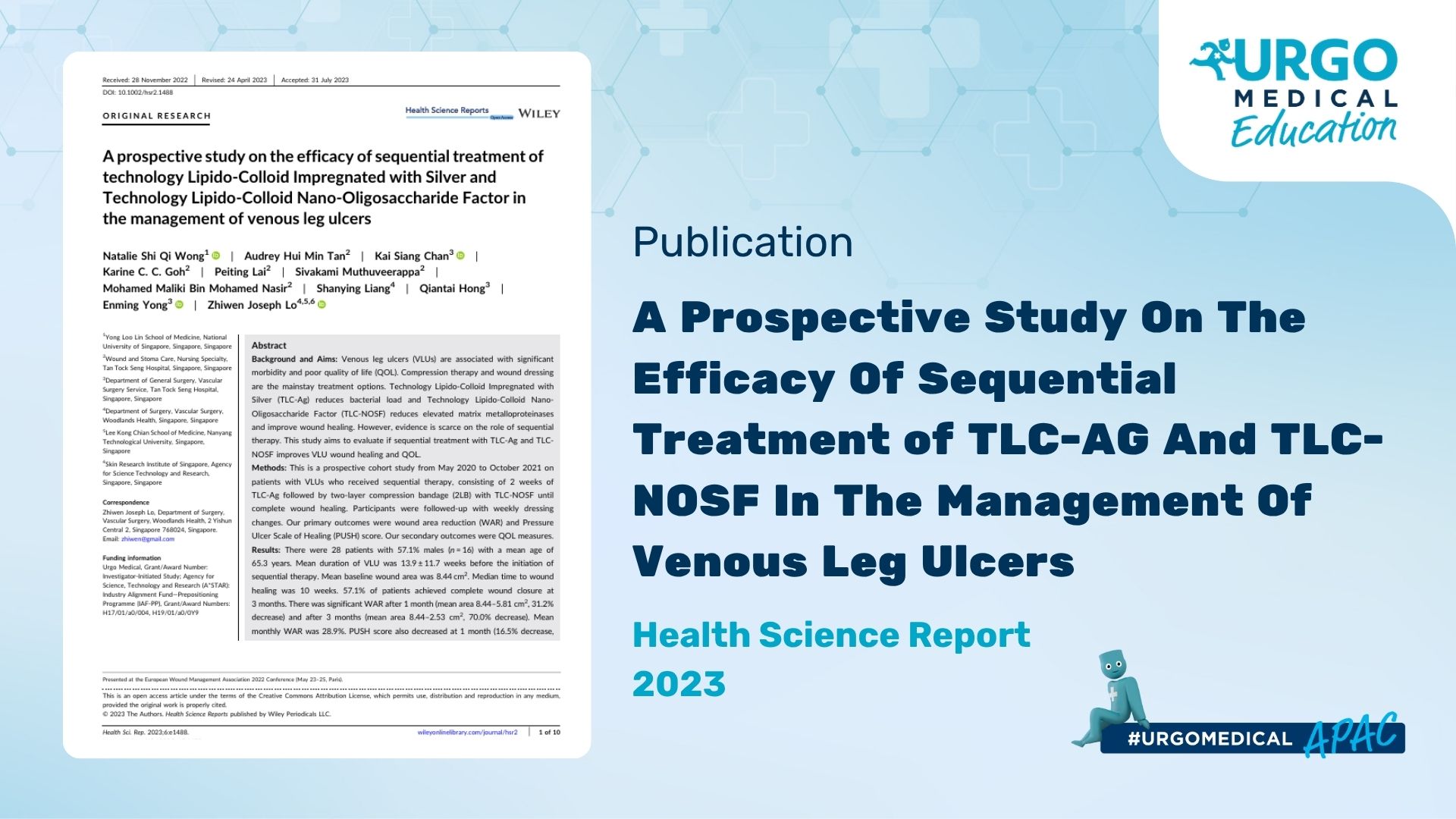
A Prospective Study on the Efficacy of Sequential Treatment of Technology Lipido‐Colloid Impregnated with Silver and Technology Lipido‐Colloid Nano‐Oligosaccharide Factor in the Management of Venous Leg Ulcers
Background and Aims: Venous leg ulcers (VLUs) are associated with significant morbidity and poor quality of life (QOL). Compression therapy and wound dressing are the mainstay treatment options. Technology Lipido‐Colloid Impregnated with Silver (TLC‐Ag) reduces bacterial load and Technology Lipido‐Colloid Nano‐Oligosaccharide Factor (TLC‐NOSF) reduces elevated matrix metalloproteinases and improve wound healing. However, evidence is scarce …
Application Tips – [Application Tips] UrgoStart Contact Layer
Welcome to this step by step guide on how to use UrgoStart Contact layer dressings. All UrgoStart dressings are the only dressings clinically proven to reduce the healing time of wounds, thanks to the unique TLC-NOSF healing matrix. All UrgoStart dressings are indicated for leg ulcers, diabetic foot ulcers, pressure ulcers and wounds that are …

Application Tips – [Application Tips] UrgoStart Plus Pad Dressing
Please visit our youtube link for the step by step video: https://www.youtube.com/watch?v=yJ_2WF5vFUw&ab_channel=UrgoMedicalAPAC Official Youtube Channel: https://www.youtube.com/@urgomedical_apac

Application Tips – [Application Tips] UrgoStart Plus Absorb Dressing
Please visit our youtube link for the step by step video: https://www.youtube.com/embed/MmsMHvqZw38?si=6emahVuVaVJC9Gpp Official Youtube Channel: https://www.youtube.com/@urgomedical_apac
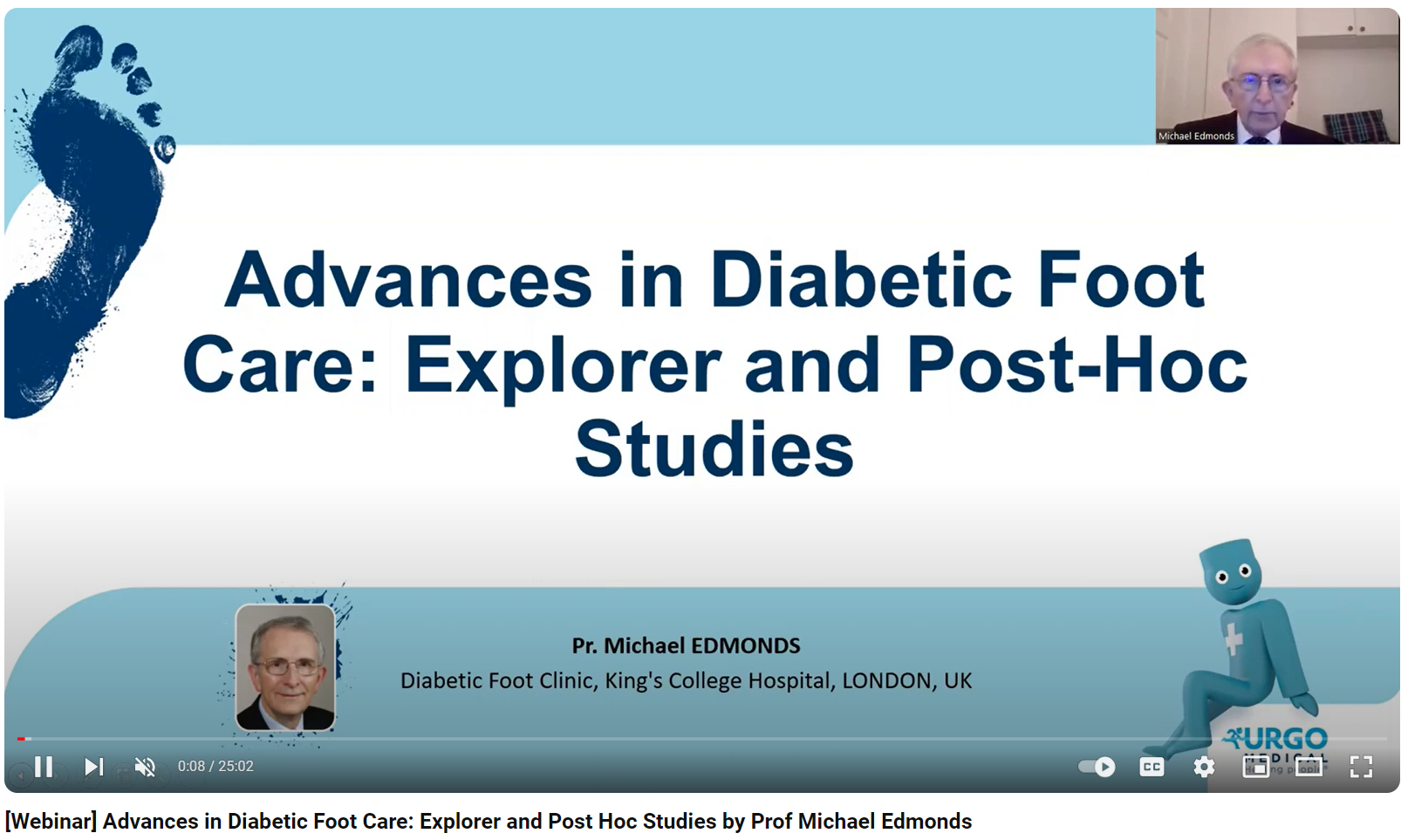
Advances in Diabetic Foot Care Explorer and Post Hoc Studies by Prof Michael Edmonds
Please visit our youtube link for the step by step video: https://www.youtube.com/watch?v=oTPqo_hjVLQ&t=6s&ab_channel=UrgoMedicalAPAC Official Youtube Channel: https://www.youtube.com/@urgomedical_apac
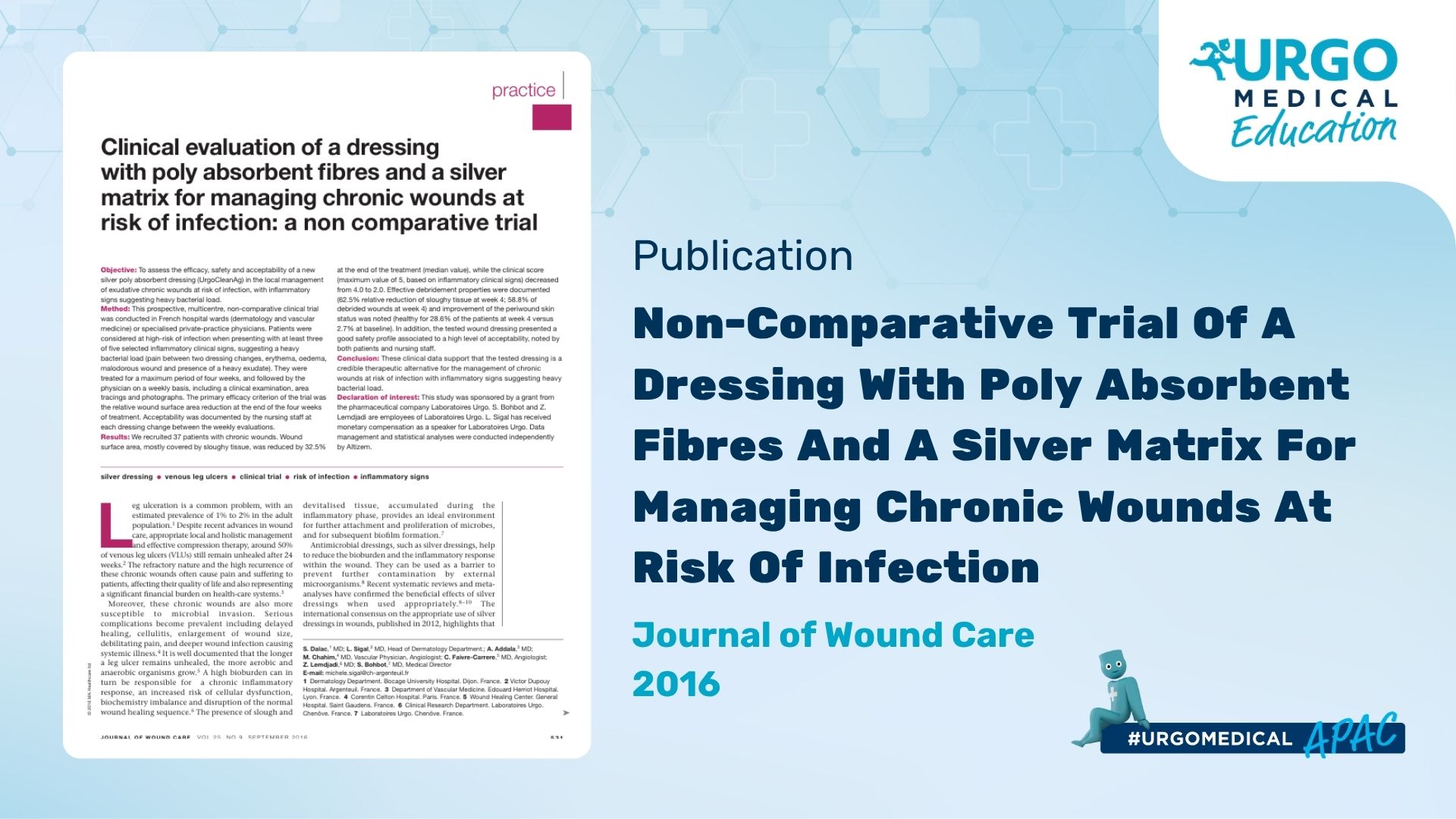
Clinical Evaluation of a Dressing with Poly-Absorbent Fibres and a Silver Matrix for Managing Chronic Wounds at Risk of Infection A Non-Comparative Trial
Objective: To assess the efficacy, safety and acceptability of a new silver poly absorbent dressing (UrgoCleanAg) in the local management of exudative chronic wounds at risk of infection, with inflammatory signs suggesting heavy bacterial load. Method: This prospective, multicentre, non-comparative clinical trial was conducted in French hospital wards (dermatology and vascular medicine) or specialised private-practice …
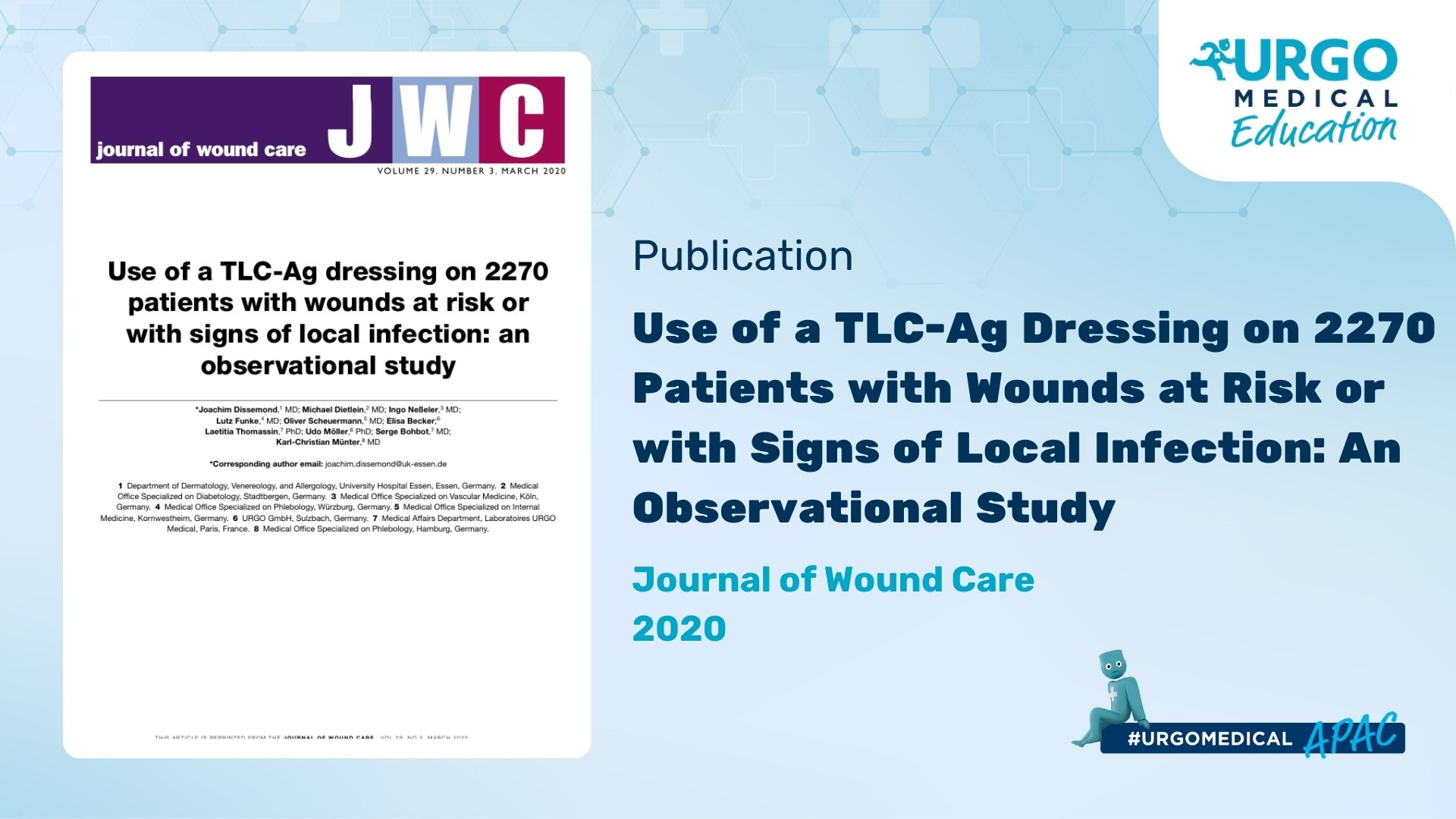
Use of a TLC-Ag dressing on 2270 patients with wounds at risk or with signs of local infection an observational study
Objective: A description of wounds treated with a poly-absorbent silver dressing (with technology lipido-colloid with silver ions, TLC-Ag), and evaluation of the short-term clinical impact of the dressing on the wound healing process, under real-life conditions.Method: A large, prospective, multicentre, observational study of patients in 81 centres in Germany, presenting with an exuding wound at …
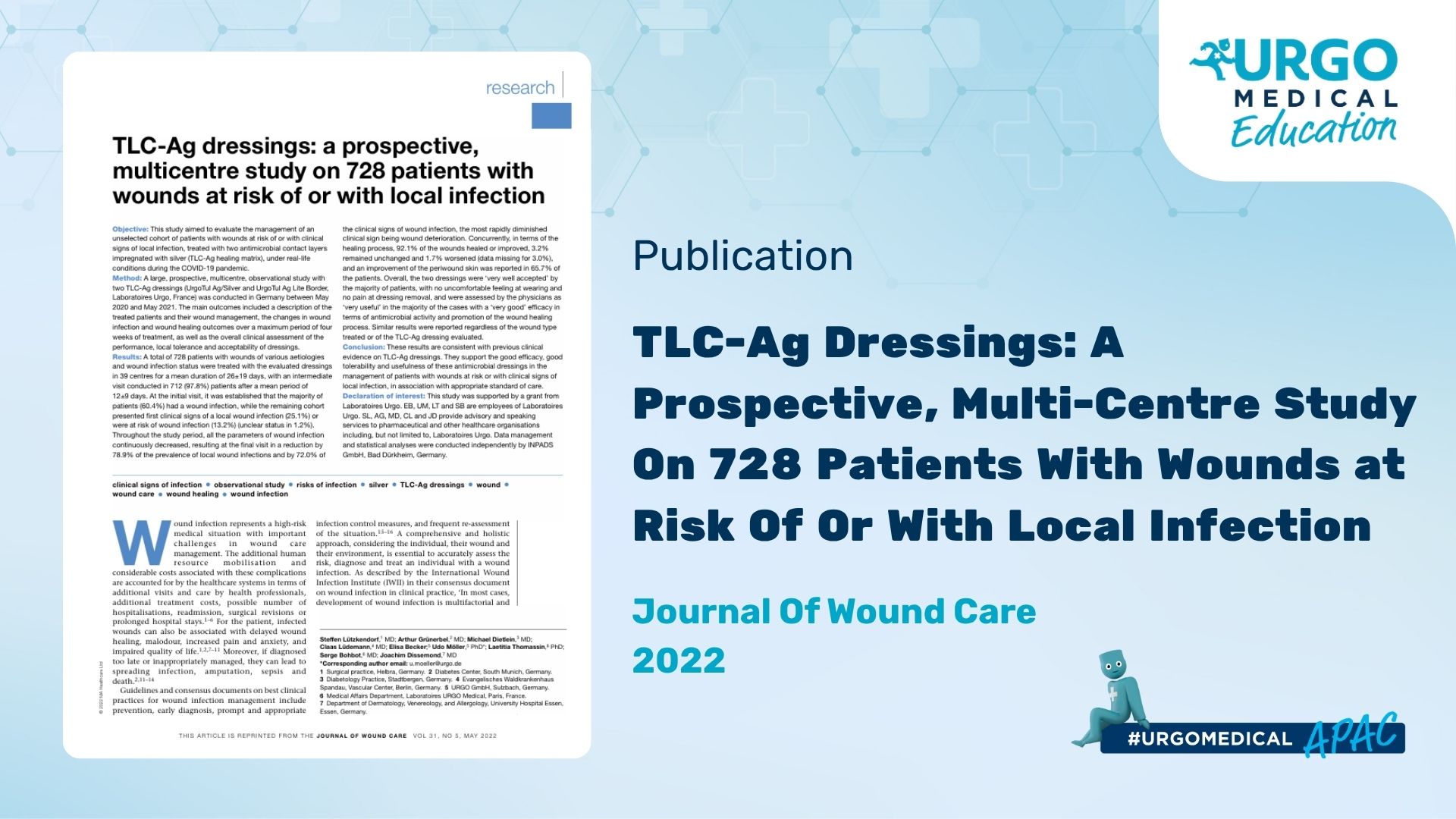
TLC-Ag dressings a prospective, multicentre study on 728 patients with wounds at risk of or with local infection
Objective:This study aimed to evaluate the management of an unselected cohort of patients with wounds at risk of or with clinical signs of local infection, treated with two antimicrobial contact layers impregnated with silver (TLC-Ag healing matrix), under real-life conditions during the COVID-19 pandemic. Method:A large, prospective, multicentre, observational study with two TLC-Ag dressings (UrgoTul …