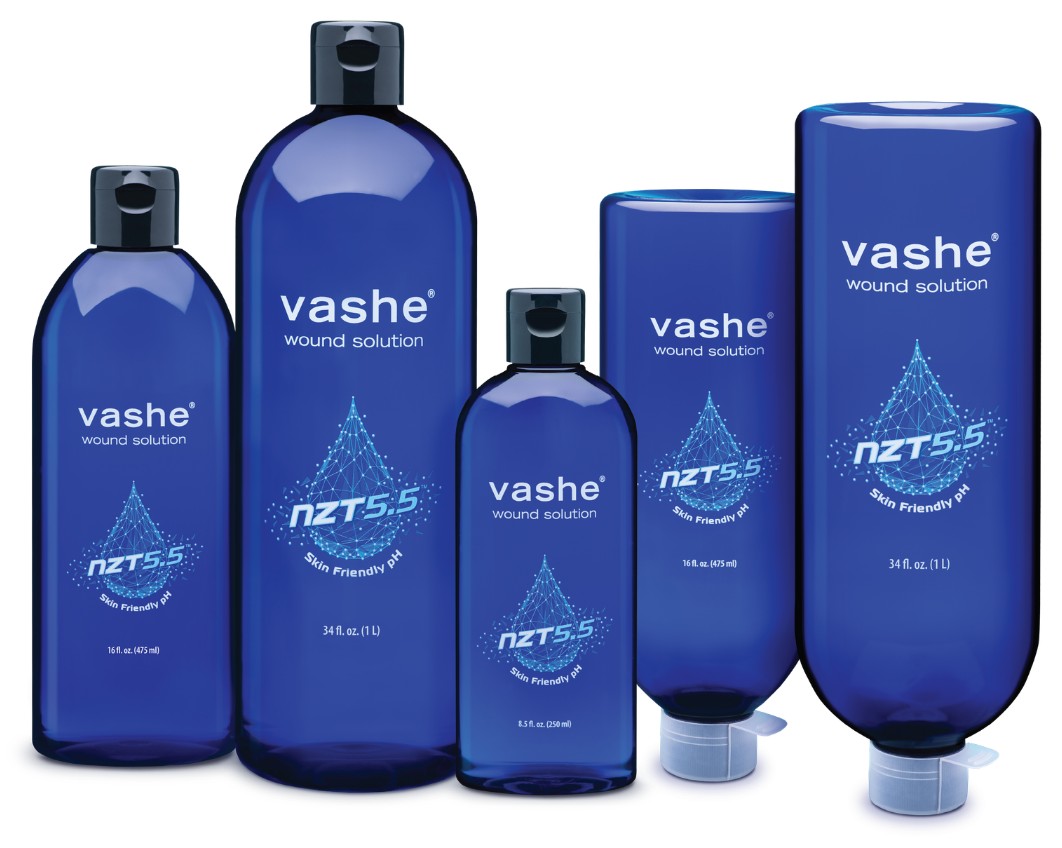
FEATURES
| FEATURES |
BENEFITS |
Safe
|
✔️ Contains pure hypochlorous acid (pHA) which is an oxidizing agent naturally produced by the body immune system to fight against invading pathogens.
✔️ Non-cytotoxic to key wound healing cells such as keratinocytes and fibroblasts.
✔️ No known contraindications and no known clinically relevant resistance.
✔️ Proven safe for use from head to toe, including peri-care and around mucous membranes and for neonates as young as 21 weeks.
|
Effective
|
✔️ Kills 99.9% of pathogens including fungi, spores, virus and multi-drug resistant bacteria within 15 seconds.
✔️ Disrupt biofilm after short exposure.
✔️ Facilitates debridement by disrupting fibrin formation and altering slough structure.
✔️ Recommended by various international guidelines.
|
Optimal pH
|
✔️ Formulated at skin-friendly pH of 5.5.
✔️ Supports optimal healing environment by providing an acidic environment.
✔️ Acidic environment is associated with higher antimicrobial properties, favourable to wound healing, helps preserves skin function and increase macrophages and fibroblast activity and ensure stratum corneum cohesion and barrier function.
|
References
- Murphy C, Atkin L, Swanson T, Tachi M, Tan YK, Vega de Ceniga M, Weir D, Wolcott R. International consensus document. Defying hard-to-heal wounds with an early antibiofilm intervention strategy: wound hygiene. J Wound Care 2020; 29(Suppl3b):S1–28.
- European Pressure Ulcer Advisory Panel, National Pressure Injury Advisory Panel and Pan Pacific Pressure Injury Alliance. Prevention and Treatment of Pressure Ulcers/Injuries: Clinical Practice Guideline. The International Guideline. Emily Haesler (Ed.). EPUAP/NPIAP/PPPIA: 2019.
- Eriksson, E., Liu, P.Y., Schultz, GS, et al. Chronic wounds: Treatment consensus. Wound Rep Reg. 2022; 30(2): 156-171. doi:10.1111/wrr.12994.
- International Wound Infection Institute (IWII) Wound Infection in Clinical Practice. Wounds International. 2022.
- Vashe Wound Solution data developed from USP 51 Antimicrobial testing.
- Bohn GA, Champion S, Eldridge K. Can the use of hypochlorous acid change your dressing selection? Poster Presentation: Symposium for Advanced Wound Care; 2013; Orlando, FL.
- Nerandzic MM, Rackaityte E, Jury LA, et al. Novel Strategies for Enhanced Removal of Persistent Bacillus anthracis Surrogates and Clostridium difficile Spores from Skin. PLoS One. 2013;8(7):e68706. doi:10.1371/journal.pone.0068706.
- Nagoba BS, Suryawanshi NM, Wadher B, et al. Acidic environment and wound healing: a review. Wounds. 2015;27(1):5-11.
- Mendoza R.A., Hsieh J.-C., Galiano R.D. Wound Healing — Current Perspectives. Intech Open; London, UK. 2019. The Impact of Biofilm Formation on Wound Healing.
- Percival SL, Vuotto C, Donelli G, Lipsky BA. Biofilms and wounds: an identification algorithm and potential treatment options. Adv Wound Care (New Rochelle). 2015;4(7):389-397.
- James GA, Swogger E, Wolcott R, et al. Biofilms in chronic wounds. Wound Repair Regen. 2008;16(1):37-44. doi: 10.1111/j.1524-475X.2007.00321.x.
- Robson MC. Treating chronic wounds with hypochlorous acid disrupts biofilm. Today’s Wound Clinic. 2014;8(9).
- Block SS. Disinfection, sterilization, and preservation. Philadelphia: Lea & Febiger; 2000.
- Wang L, Bassiri M, Najafi R, et al. Hypochlorous acid as a potential wound care agent: Part I. Stabilized hypochlorous acid: A component of the inorganic armamentarium of innate immunity. J Burns Wounds. 2007; 6:65-79.
- Data on file with Urgo Medical North America.
- Niezgoda JA, Niezgoda JA, Niezgoda KM, Mallow PJ. Cost-per-Response Analysis of Pure Hypochlorous Acid Among Patients with Chronic Venous Leg Ulcers: A Health Economic Analysis. Adv Skin Wound Care. 2023 Nov 1;36(11):587-590. doi: 10.1097/ASW.000
INDICATIONS
Vashe Wound Solution is intended for cleansing, irrigating, moistening, debridement and removal of foreign materials including microorganisms and debris from exudating and/or dirty wounds, acute and chronic demal lesions such as:
- Stage I-IV pressure ulcers
- Statis ulcers
- Diabetic ulcers
- Post-Surgical
- First and second degree burns
- Abrasions
- Minor irritations of the skin
- Diabetic foot ulcers
- Ingrown toe nails
- Grafted and donor sites
- Exit sites
CONTRAINDICATIONS
Vashe wound solution has no known contraindications for use.
References
- Murphy C, Atkin L, Swanson T, Tachi M, Tan YK, Vega de Ceniga M, Weir D, Wolcott R. International consensus document. Defying hard-to-heal wounds with an early antibiofilm intervention strategy: wound hygiene. J Wound Care 2020; 29(Suppl3b):S1–28.
- European Pressure Ulcer Advisory Panel, National Pressure Injury Advisory Panel and Pan Pacific Pressure Injury Alliance. Prevention and Treatment of Pressure Ulcers/Injuries: Clinical Practice Guideline. The International Guideline. Emily Haesler (Ed.). EPUAP/NPIAP/PPPIA: 2019.
- Eriksson, E., Liu, P.Y., Schultz, GS, et al. Chronic wounds: Treatment consensus. Wound Rep Reg. 2022; 30(2): 156-171. doi:10.1111/wrr.12994.
- International Wound Infection Institute (IWII) Wound Infection in Clinical Practice. Wounds International. 2022.
- Vashe Wound Solution data developed from USP 51 Antimicrobial testing.
- Bohn GA, Champion S, Eldridge K. Can the use of hypochlorous acid change your dressing selection? Poster Presentation: Symposium for Advanced Wound Care; 2013; Orlando, FL.
- Nerandzic MM, Rackaityte E, Jury LA, et al. Novel Strategies for Enhanced Removal of Persistent Bacillus anthracis Surrogates and Clostridium difficile Spores from Skin. PLoS One. 2013;8(7):e68706. doi:10.1371/journal.pone.0068706.
- Nagoba BS, Suryawanshi NM, Wadher B, et al. Acidic environment and wound healing: a review. Wounds. 2015;27(1):5-11.
- Mendoza R.A., Hsieh J.-C., Galiano R.D. Wound Healing — Current Perspectives. Intech Open; London, UK. 2019. The Impact of Biofilm Formation on Wound Healing.
- Percival SL, Vuotto C, Donelli G, Lipsky BA. Biofilms and wounds: an identification algorithm and potential treatment options. Adv Wound Care (New Rochelle). 2015;4(7):389-397.
- James GA, Swogger E, Wolcott R, et al. Biofilms in chronic wounds. Wound Repair Regen. 2008;16(1):37-44. doi: 10.1111/j.1524-475X.2007.00321.x.
- Robson MC. Treating chronic wounds with hypochlorous acid disrupts biofilm. Today’s Wound Clinic. 2014;8(9).
- Block SS. Disinfection, sterilization, and preservation. Philadelphia: Lea & Febiger; 2000.
- Wang L, Bassiri M, Najafi R, et al. Hypochlorous acid as a potential wound care agent: Part I. Stabilized hypochlorous acid: A component of the inorganic armamentarium of innate immunity. J Burns Wounds. 2007; 6:65-79.
- Data on file with Urgo Medical North America.
- Niezgoda JA, Niezgoda JA, Niezgoda KM, Mallow PJ. Cost-per-Response Analysis of Pure Hypochlorous Acid Among Patients with Chronic Venous Leg Ulcers: A Health Economic Analysis. Adv Skin Wound Care. 2023 Nov 1;36(11):587-590. doi: 10.1097/ASW.000
PRECAUTIONS
 For external use on wounds and skin only.
Check that the packaging is intact before use. Do not use if the seal is broken or the container is damaged.
Follow the recommended application and contact times for each method of use.
Store as directed on the product label.
For a complete list of precautions, contraindications, and indications, please contact your local sales representative to obtain the Instructions for Use (IFU).
References
- Murphy C, Atkin L, Swanson T, Tachi M, Tan YK, Vega de Ceniga M, Weir D, Wolcott R. International consensus document. Defying hard-to-heal wounds with an early antibiofilm intervention strategy: wound hygiene. J Wound Care 2020; 29(Suppl3b):S1–28.
- European Pressure Ulcer Advisory Panel, National Pressure Injury Advisory Panel and Pan Pacific Pressure Injury Alliance. Prevention and Treatment of Pressure Ulcers/Injuries: Clinical Practice Guideline. The International Guideline. Emily Haesler (Ed.). EPUAP/NPIAP/PPPIA: 2019.
- Eriksson, E., Liu, P.Y., Schultz, GS, et al. Chronic wounds: Treatment consensus. Wound Rep Reg. 2022; 30(2): 156-171. doi:10.1111/wrr.12994.
- International Wound Infection Institute (IWII) Wound Infection in Clinical Practice. Wounds International. 2022.
- Vashe Wound Solution data developed from USP 51 Antimicrobial testing.
- Bohn GA, Champion S, Eldridge K. Can the use of hypochlorous acid change your dressing selection? Poster Presentation: Symposium for Advanced Wound Care; 2013; Orlando, FL.
- Nerandzic MM, Rackaityte E, Jury LA, et al. Novel Strategies for Enhanced Removal of Persistent Bacillus anthracis Surrogates and Clostridium difficile Spores from Skin. PLoS One. 2013;8(7):e68706. doi:10.1371/journal.pone.0068706.
- Nagoba BS, Suryawanshi NM, Wadher B, et al. Acidic environment and wound healing: a review. Wounds. 2015;27(1):5-11.
- Mendoza R.A., Hsieh J.-C., Galiano R.D. Wound Healing — Current Perspectives. Intech Open; London, UK. 2019. The Impact of Biofilm Formation on Wound Healing.
- Percival SL, Vuotto C, Donelli G, Lipsky BA. Biofilms and wounds: an identification algorithm and potential treatment options. Adv Wound Care (New Rochelle). 2015;4(7):389-397.
- James GA, Swogger E, Wolcott R, et al. Biofilms in chronic wounds. Wound Repair Regen. 2008;16(1):37-44. doi: 10.1111/j.1524-475X.2007.00321.x.
- Robson MC. Treating chronic wounds with hypochlorous acid disrupts biofilm. Today’s Wound Clinic. 2014;8(9).
- Block SS. Disinfection, sterilization, and preservation. Philadelphia: Lea & Febiger; 2000.
- Wang L, Bassiri M, Najafi R, et al. Hypochlorous acid as a potential wound care agent: Part I. Stabilized hypochlorous acid: A component of the inorganic armamentarium of innate immunity. J Burns Wounds. 2007; 6:65-79.
- Data on file with Urgo Medical North America.
- Niezgoda JA, Niezgoda JA, Niezgoda KM, Mallow PJ. Cost-per-Response Analysis of Pure Hypochlorous Acid Among Patients with Chronic Venous Leg Ulcers: A Health Economic Analysis. Adv Skin Wound Care. 2023 Nov 1;36(11):587-590. doi: 10.1097/ASW.000
CUTTING GUIDE
References
- Murphy C, Atkin L, Swanson T, Tachi M, Tan YK, Vega de Ceniga M, Weir D, Wolcott R. International consensus document. Defying hard-to-heal wounds with an early antibiofilm intervention strategy: wound hygiene. J Wound Care 2020; 29(Suppl3b):S1–28.
- European Pressure Ulcer Advisory Panel, National Pressure Injury Advisory Panel and Pan Pacific Pressure Injury Alliance. Prevention and Treatment of Pressure Ulcers/Injuries: Clinical Practice Guideline. The International Guideline. Emily Haesler (Ed.). EPUAP/NPIAP/PPPIA: 2019.
- Eriksson, E., Liu, P.Y., Schultz, GS, et al. Chronic wounds: Treatment consensus. Wound Rep Reg. 2022; 30(2): 156-171. doi:10.1111/wrr.12994.
- International Wound Infection Institute (IWII) Wound Infection in Clinical Practice. Wounds International. 2022.
- Vashe Wound Solution data developed from USP 51 Antimicrobial testing.
- Bohn GA, Champion S, Eldridge K. Can the use of hypochlorous acid change your dressing selection? Poster Presentation: Symposium for Advanced Wound Care; 2013; Orlando, FL.
- Nerandzic MM, Rackaityte E, Jury LA, et al. Novel Strategies for Enhanced Removal of Persistent Bacillus anthracis Surrogates and Clostridium difficile Spores from Skin. PLoS One. 2013;8(7):e68706. doi:10.1371/journal.pone.0068706.
- Nagoba BS, Suryawanshi NM, Wadher B, et al. Acidic environment and wound healing: a review. Wounds. 2015;27(1):5-11.
- Mendoza R.A., Hsieh J.-C., Galiano R.D. Wound Healing — Current Perspectives. Intech Open; London, UK. 2019. The Impact of Biofilm Formation on Wound Healing.
- Percival SL, Vuotto C, Donelli G, Lipsky BA. Biofilms and wounds: an identification algorithm and potential treatment options. Adv Wound Care (New Rochelle). 2015;4(7):389-397.
- James GA, Swogger E, Wolcott R, et al. Biofilms in chronic wounds. Wound Repair Regen. 2008;16(1):37-44. doi: 10.1111/j.1524-475X.2007.00321.x.
- Robson MC. Treating chronic wounds with hypochlorous acid disrupts biofilm. Today’s Wound Clinic. 2014;8(9).
- Block SS. Disinfection, sterilization, and preservation. Philadelphia: Lea & Febiger; 2000.
- Wang L, Bassiri M, Najafi R, et al. Hypochlorous acid as a potential wound care agent: Part I. Stabilized hypochlorous acid: A component of the inorganic armamentarium of innate immunity. J Burns Wounds. 2007; 6:65-79.
- Data on file with Urgo Medical North America.
- Niezgoda JA, Niezgoda JA, Niezgoda KM, Mallow PJ. Cost-per-Response Analysis of Pure Hypochlorous Acid Among Patients with Chronic Venous Leg Ulcers: A Health Economic Analysis. Adv Skin Wound Care. 2023 Nov 1;36(11):587-590. doi: 10.1097/ASW.000
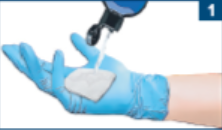
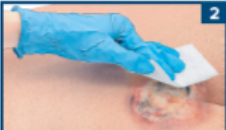
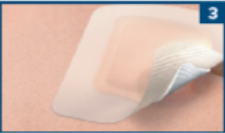
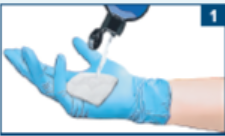
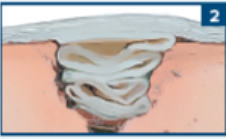
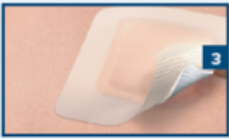
DIRECTIONS FOR USE
References
- Murphy C, Atkin L, Swanson T, Tachi M, Tan YK, Vega de Ceniga M, Weir D, Wolcott R. International consensus document. Defying hard-to-heal wounds with an early antibiofilm intervention strategy: wound hygiene. J Wound Care 2020; 29(Suppl3b):S1–28.
- European Pressure Ulcer Advisory Panel, National Pressure Injury Advisory Panel and Pan Pacific Pressure Injury Alliance. Prevention and Treatment of Pressure Ulcers/Injuries: Clinical Practice Guideline. The International Guideline. Emily Haesler (Ed.). EPUAP/NPIAP/PPPIA: 2019.
- Eriksson, E., Liu, P.Y., Schultz, GS, et al. Chronic wounds: Treatment consensus. Wound Rep Reg. 2022; 30(2): 156-171. doi:10.1111/wrr.12994.
- International Wound Infection Institute (IWII) Wound Infection in Clinical Practice. Wounds International. 2022.
- Vashe Wound Solution data developed from USP 51 Antimicrobial testing.
- Bohn GA, Champion S, Eldridge K. Can the use of hypochlorous acid change your dressing selection? Poster Presentation: Symposium for Advanced Wound Care; 2013; Orlando, FL.
- Nerandzic MM, Rackaityte E, Jury LA, et al. Novel Strategies for Enhanced Removal of Persistent Bacillus anthracis Surrogates and Clostridium difficile Spores from Skin. PLoS One. 2013;8(7):e68706. doi:10.1371/journal.pone.0068706.
- Nagoba BS, Suryawanshi NM, Wadher B, et al. Acidic environment and wound healing: a review. Wounds. 2015;27(1):5-11.
- Mendoza R.A., Hsieh J.-C., Galiano R.D. Wound Healing — Current Perspectives. Intech Open; London, UK. 2019. The Impact of Biofilm Formation on Wound Healing.
- Percival SL, Vuotto C, Donelli G, Lipsky BA. Biofilms and wounds: an identification algorithm and potential treatment options. Adv Wound Care (New Rochelle). 2015;4(7):389-397.
- James GA, Swogger E, Wolcott R, et al. Biofilms in chronic wounds. Wound Repair Regen. 2008;16(1):37-44. doi: 10.1111/j.1524-475X.2007.00321.x.
- Robson MC. Treating chronic wounds with hypochlorous acid disrupts biofilm. Today’s Wound Clinic. 2014;8(9).
- Block SS. Disinfection, sterilization, and preservation. Philadelphia: Lea & Febiger; 2000.
- Wang L, Bassiri M, Najafi R, et al. Hypochlorous acid as a potential wound care agent: Part I. Stabilized hypochlorous acid: A component of the inorganic armamentarium of innate immunity. J Burns Wounds. 2007; 6:65-79.
- Data on file with Urgo Medical North America.
- Niezgoda JA, Niezgoda JA, Niezgoda KM, Mallow PJ. Cost-per-Response Analysis of Pure Hypochlorous Acid Among Patients with Chronic Venous Leg Ulcers: A Health Economic Analysis. Adv Skin Wound Care. 2023 Nov 1;36(11):587-590. doi: 10.1097/ASW.000
CLINICAL EVIDENCE
References
- Murphy C, Atkin L, Swanson T, Tachi M, Tan YK, Vega de Ceniga M, Weir D, Wolcott R. International consensus document. Defying hard-to-heal wounds with an early antibiofilm intervention strategy: wound hygiene. J Wound Care 2020; 29(Suppl3b):S1–28.
- European Pressure Ulcer Advisory Panel, National Pressure Injury Advisory Panel and Pan Pacific Pressure Injury Alliance. Prevention and Treatment of Pressure Ulcers/Injuries: Clinical Practice Guideline. The International Guideline. Emily Haesler (Ed.). EPUAP/NPIAP/PPPIA: 2019.
- Eriksson, E., Liu, P.Y., Schultz, GS, et al. Chronic wounds: Treatment consensus. Wound Rep Reg. 2022; 30(2): 156-171. doi:10.1111/wrr.12994.
- International Wound Infection Institute (IWII) Wound Infection in Clinical Practice. Wounds International. 2022.
- Vashe Wound Solution data developed from USP 51 Antimicrobial testing.
- Bohn GA, Champion S, Eldridge K. Can the use of hypochlorous acid change your dressing selection? Poster Presentation: Symposium for Advanced Wound Care; 2013; Orlando, FL.
- Nerandzic MM, Rackaityte E, Jury LA, et al. Novel Strategies for Enhanced Removal of Persistent Bacillus anthracis Surrogates and Clostridium difficile Spores from Skin. PLoS One. 2013;8(7):e68706. doi:10.1371/journal.pone.0068706.
- Nagoba BS, Suryawanshi NM, Wadher B, et al. Acidic environment and wound healing: a review. Wounds. 2015;27(1):5-11.
- Mendoza R.A., Hsieh J.-C., Galiano R.D. Wound Healing — Current Perspectives. Intech Open; London, UK. 2019. The Impact of Biofilm Formation on Wound Healing.
- Percival SL, Vuotto C, Donelli G, Lipsky BA. Biofilms and wounds: an identification algorithm and potential treatment options. Adv Wound Care (New Rochelle). 2015;4(7):389-397.
- James GA, Swogger E, Wolcott R, et al. Biofilms in chronic wounds. Wound Repair Regen. 2008;16(1):37-44. doi: 10.1111/j.1524-475X.2007.00321.x.
- Robson MC. Treating chronic wounds with hypochlorous acid disrupts biofilm. Today’s Wound Clinic. 2014;8(9).
- Block SS. Disinfection, sterilization, and preservation. Philadelphia: Lea & Febiger; 2000.
- Wang L, Bassiri M, Najafi R, et al. Hypochlorous acid as a potential wound care agent: Part I. Stabilized hypochlorous acid: A component of the inorganic armamentarium of innate immunity. J Burns Wounds. 2007; 6:65-79.
- Data on file with Urgo Medical North America.
- Niezgoda JA, Niezgoda JA, Niezgoda KM, Mallow PJ. Cost-per-Response Analysis of Pure Hypochlorous Acid Among Patients with Chronic Venous Leg Ulcers: A Health Economic Analysis. Adv Skin Wound Care. 2023 Nov 1;36(11):587-590. doi: 10.1097/ASW.000