FEATURES
| FEATURES |
BENEFITS |
Supports continuous debridement of slough1,2
|
✔️ Fibrin, microorganisms, and wound residue attach to the Magnet Fibres of the dressing to continuously clean the wound bed2
✔️ Anti-biofilm dressing assists in maintaining a clean wound bed, optimizing silver efficacy in the wound2,8,10
|
Destroys the biofilm and prevents its reformation10
|
✔️ 99.99% biofilm reduction within 24 hours8
✔️ Superior and more rapid anti-biofilm efficacy compared to Aquacel ag+ Extra and Cutimed Sorbact8,11
✔️ Prevents biofilm reformation for up to 7 days10
|
Effectively fights against signs of local infection2,3,7,10
|
✔️ Fast and broad spectrum antimicrobial efficacy, including strains resistant to antibiotics6,10
✔️ Superior clinical efficacy in promoting healing for both chronic and acute wounds2
|
Comfort and ease of use2
|
✔️ One piece removal thanks to strong acrylic core2
✔️ Ensures pain-free care and atraumatic removal2
|
References
- Meaume S. et al. Evaluation of two fibrous wound dressings for the management of leg ulcers: Results of a European randomised controlled trial (EARTH RCT). J Wound Care, March 2014, Vol 23, No.3; 105-116
- Dalac S., Sigal L., Addala A., et al Clinical evaluation of a dressing with poly absorbent fibres and a silver matrix for managing chronic wounds at risk of infection: a non comparative trial. J Wound Care, Vol 25, No 9, September 2016
- Dissemond J. et al, Use of a TLC-Ag dressing on 2270 patients with wounds at risk or with signs of local infection: an observational study, J Wound Care, volume 29, number 3, march 2020
- In vitro study report RE/UR/2025-201/CHC
- In vitro data. Nexidia reports 2021-11F and 2021-11D v2.
- Internal data – Laboratoires Urgo
- Lazareth I, et al. The role of a silver releasing lipido-colloid contact layer in venous leg ulcers presenting inflammatory signs suggesting heavy bacterial colonization: Results of a randomized controlled study. Wounds. 2008;20(6):158–66
- Percival SL. Restoring balance: biofilms and wound dressings. J Wound Care 2018; 27: 102-113..
- Schultz, G. et al (2017), Consensus guidelines for the identification and treatment of biofilms in chronic nonhealing wounds. Wound Rep and Reg, 25: 744-757
- Desroche N, Dropet C, Janod P, et al. Antibacterial properties and reduction of MRSA biofilm with a dressing combining polyabsorbent fibres and a silver matrix. J Wound Care 2016; 25: 577-584.
- N. Desroche et al. Evaluation of in-vitro anti-biofilm activities of two dressings with poly-absorbent dressing and a DACC-coated dressing. Poster EWMA 2017
INDICATIONS
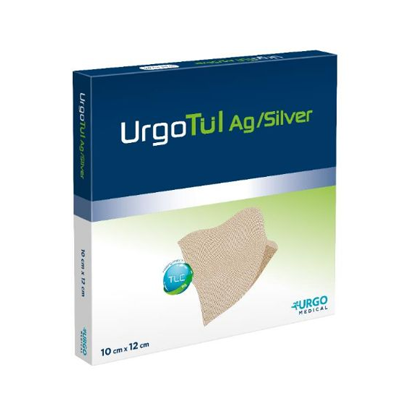
UrgoClean Ag Pad is indicated for the local management of cutaneous wounds, thanks to the main action of wound protection and healing in moist environment.
UrgoClean Ag Pad is particularly intended for use on wounds at risk or with clinical signs of local infection, thanks to the antimicrobial secondary action of silver ions, with the aim of reducing the bacterial load locally and the risk of infection.
Cutaneous wounds include:
• Chronic wounds: leg ulcers, pressure ulcers, diabetic foot ulcers.
• Acute wounds: partial thickness burns, traumatic wounds, post-surgical wounds.
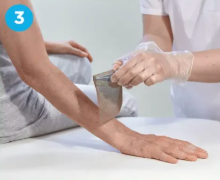
For surgical wounds, application of UrgoClean Ag Pad should be restricted for specific surgical situation regarding high-risk patients undergoing high-risk procedures and only for a limited extent and should not be used as a surgical sponge for heavily bleeding wounds. For a highly exuding wound (that is, a wound with a high amount of fluid), UrgoClean Ag Pad can be covered with an additional absorbent dressing. UrgoClean Ag Pad must be secured with a dressing securement system (for example, medical tape, flat, tubular mesh, or adhesive dressing).
References
- Meaume S. et al. Evaluation of two fibrous wound dressings for the management of leg ulcers: Results of a European randomised controlled trial (EARTH RCT). J Wound Care, March 2014, Vol 23, No.3; 105-116
- Dalac S., Sigal L., Addala A., et al Clinical evaluation of a dressing with poly absorbent fibres and a silver matrix for managing chronic wounds at risk of infection: a non comparative trial. J Wound Care, Vol 25, No 9, September 2016
- Dissemond J. et al, Use of a TLC-Ag dressing on 2270 patients with wounds at risk or with signs of local infection: an observational study, J Wound Care, volume 29, number 3, march 2020
- In vitro study report RE/UR/2025-201/CHC
- In vitro data. Nexidia reports 2021-11F and 2021-11D v2.
- Internal data – Laboratoires Urgo
- Lazareth I, et al. The role of a silver releasing lipido-colloid contact layer in venous leg ulcers presenting inflammatory signs suggesting heavy bacterial colonization: Results of a randomized controlled study. Wounds. 2008;20(6):158–66
- Percival SL. Restoring balance: biofilms and wound dressings. J Wound Care 2018; 27: 102-113..
- Schultz, G. et al (2017), Consensus guidelines for the identification and treatment of biofilms in chronic nonhealing wounds. Wound Rep and Reg, 25: 744-757
- Desroche N, Dropet C, Janod P, et al. Antibacterial properties and reduction of MRSA biofilm with a dressing combining polyabsorbent fibres and a silver matrix. J Wound Care 2016; 25: 577-584.
- N. Desroche et al. Evaluation of in-vitro anti-biofilm activities of two dressings with poly-absorbent dressing and a DACC-coated dressing. Poster EWMA 2017
CONTRAINDICATIONS
- Mucous membrane wounds..
- Haemorrhagic wounds: UrgoClean Ag Pad can be used to help stop minor bleeding but should not be used as a surgical sponge.
- Known hypersensitivity of the patient to silver, or to one of the components of the TLC or TLC-Ag dressings, or to carboxymethylcellulose (CMC).
- Do not use UrgoClean Ag Pad on patients who are due to undergo magnetic resonance imaging (MRI) examination.
References
- Meaume S. et al. Evaluation of two fibrous wound dressings for the management of leg ulcers: Results of a European randomised controlled trial (EARTH RCT). J Wound Care, March 2014, Vol 23, No.3; 105-116
- Dalac S., Sigal L., Addala A., et al Clinical evaluation of a dressing with poly absorbent fibres and a silver matrix for managing chronic wounds at risk of infection: a non comparative trial. J Wound Care, Vol 25, No 9, September 2016
- Dissemond J. et al, Use of a TLC-Ag dressing on 2270 patients with wounds at risk or with signs of local infection: an observational study, J Wound Care, volume 29, number 3, march 2020
- In vitro study report RE/UR/2025-201/CHC
- In vitro data. Nexidia reports 2021-11F and 2021-11D v2.
- Internal data – Laboratoires Urgo
- Lazareth I, et al. The role of a silver releasing lipido-colloid contact layer in venous leg ulcers presenting inflammatory signs suggesting heavy bacterial colonization: Results of a randomized controlled study. Wounds. 2008;20(6):158–66
- Percival SL. Restoring balance: biofilms and wound dressings. J Wound Care 2018; 27: 102-113..
- Schultz, G. et al (2017), Consensus guidelines for the identification and treatment of biofilms in chronic nonhealing wounds. Wound Rep and Reg, 25: 744-757
- Desroche N, Dropet C, Janod P, et al. Antibacterial properties and reduction of MRSA biofilm with a dressing combining polyabsorbent fibres and a silver matrix. J Wound Care 2016; 25: 577-584.
- N. Desroche et al. Evaluation of in-vitro anti-biofilm activities of two dressings with poly-absorbent dressing and a DACC-coated dressing. Poster EWMA 2017
PRECAUTIONS
✔️ Treatment with UrgoClean Ag should be carried out under medical supervision.
✔️ Use of this dressing does not negate the need for appropriate systemic anti-bacterial treatment of infected wounds in line with local policy.
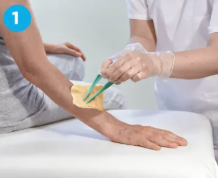
✔️ The soft-adherent Silver Healing Matrix (TLC-Ag) of UrgoClean Ag adheres to latex surgical gloves. It is therefore recommended that the dressing be handled carefully, avoiding any contact with the soft-adherent side or using sterile pliers.
✔️ Concomitant use with other local treatments is not recommended.
✔️ Avoid contact with electrodes or conductive gels during electronic measurements, e.g. EEG and ECG.
✔️ Clinicians / Healthcare Professionals should be aware that there are very limited data on prolonged and repeated use of silver containing dressings, particularly in children and neonates.
✔️ In the absence of any specific clinical data, use in pregnant or breast-feeding women, is not recommended.
✔️ Do not use in a hyperbaric chamber.
✔️ Single-use, individual packaging. Re-using a single use dressing may lead to risks of infection. Check that the sterile protector is intact before use.
✔️ Do not re-sterilise.
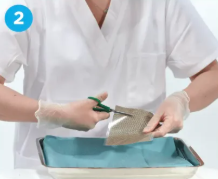
✔️ For elimination, discard according to current protocol. Discard any unused parts of the dressing.
For a complete list of precautions, contraindications, and indications, please contact your local sales representative to obtain the Instructions for Use (IFU).
References
- Meaume S. et al. Evaluation of two fibrous wound dressings for the management of leg ulcers: Results of a European randomised controlled trial (EARTH RCT). J Wound Care, March 2014, Vol 23, No.3; 105-116
- Dalac S., Sigal L., Addala A., et al Clinical evaluation of a dressing with poly absorbent fibres and a silver matrix for managing chronic wounds at risk of infection: a non comparative trial. J Wound Care, Vol 25, No 9, September 2016
- Dissemond J. et al, Use of a TLC-Ag dressing on 2270 patients with wounds at risk or with signs of local infection: an observational study, J Wound Care, volume 29, number 3, march 2020
- In vitro study report RE/UR/2025-201/CHC
- In vitro data. Nexidia reports 2021-11F and 2021-11D v2.
- Internal data – Laboratoires Urgo
- Lazareth I, et al. The role of a silver releasing lipido-colloid contact layer in venous leg ulcers presenting inflammatory signs suggesting heavy bacterial colonization: Results of a randomized controlled study. Wounds. 2008;20(6):158–66
- Percival SL. Restoring balance: biofilms and wound dressings. J Wound Care 2018; 27: 102-113..
- Schultz, G. et al (2017), Consensus guidelines for the identification and treatment of biofilms in chronic nonhealing wounds. Wound Rep and Reg, 25: 744-757
- Desroche N, Dropet C, Janod P, et al. Antibacterial properties and reduction of MRSA biofilm with a dressing combining polyabsorbent fibres and a silver matrix. J Wound Care 2016; 25: 577-584.
- N. Desroche et al. Evaluation of in-vitro anti-biofilm activities of two dressings with poly-absorbent dressing and a DACC-coated dressing. Poster EWMA 2017
CUTTING GUIDE
References
- Meaume S. et al. Evaluation of two fibrous wound dressings for the management of leg ulcers: Results of a European randomised controlled trial (EARTH RCT). J Wound Care, March 2014, Vol 23, No.3; 105-116
- Dalac S., Sigal L., Addala A., et al Clinical evaluation of a dressing with poly absorbent fibres and a silver matrix for managing chronic wounds at risk of infection: a non comparative trial. J Wound Care, Vol 25, No 9, September 2016
- Dissemond J. et al, Use of a TLC-Ag dressing on 2270 patients with wounds at risk or with signs of local infection: an observational study, J Wound Care, volume 29, number 3, march 2020
- In vitro study report RE/UR/2025-201/CHC
- In vitro data. Nexidia reports 2021-11F and 2021-11D v2.
- Internal data – Laboratoires Urgo
- Lazareth I, et al. The role of a silver releasing lipido-colloid contact layer in venous leg ulcers presenting inflammatory signs suggesting heavy bacterial colonization: Results of a randomized controlled study. Wounds. 2008;20(6):158–66
- Percival SL. Restoring balance: biofilms and wound dressings. J Wound Care 2018; 27: 102-113..
- Schultz, G. et al (2017), Consensus guidelines for the identification and treatment of biofilms in chronic nonhealing wounds. Wound Rep and Reg, 25: 744-757
- Desroche N, Dropet C, Janod P, et al. Antibacterial properties and reduction of MRSA biofilm with a dressing combining polyabsorbent fibres and a silver matrix. J Wound Care 2016; 25: 577-584.
- N. Desroche et al. Evaluation of in-vitro anti-biofilm activities of two dressings with poly-absorbent dressing and a DACC-coated dressing. Poster EWMA 2017
DIRECTIONS FOR USE
References
- Meaume S. et al. Evaluation of two fibrous wound dressings for the management of leg ulcers: Results of a European randomised controlled trial (EARTH RCT). J Wound Care, March 2014, Vol 23, No.3; 105-116
- Dalac S., Sigal L., Addala A., et al Clinical evaluation of a dressing with poly absorbent fibres and a silver matrix for managing chronic wounds at risk of infection: a non comparative trial. J Wound Care, Vol 25, No 9, September 2016
- Dissemond J. et al, Use of a TLC-Ag dressing on 2270 patients with wounds at risk or with signs of local infection: an observational study, J Wound Care, volume 29, number 3, march 2020
- In vitro study report RE/UR/2025-201/CHC
- In vitro data. Nexidia reports 2021-11F and 2021-11D v2.
- Internal data – Laboratoires Urgo
- Lazareth I, et al. The role of a silver releasing lipido-colloid contact layer in venous leg ulcers presenting inflammatory signs suggesting heavy bacterial colonization: Results of a randomized controlled study. Wounds. 2008;20(6):158–66
- Percival SL. Restoring balance: biofilms and wound dressings. J Wound Care 2018; 27: 102-113..
- Schultz, G. et al (2017), Consensus guidelines for the identification and treatment of biofilms in chronic nonhealing wounds. Wound Rep and Reg, 25: 744-757
- Desroche N, Dropet C, Janod P, et al. Antibacterial properties and reduction of MRSA biofilm with a dressing combining polyabsorbent fibres and a silver matrix. J Wound Care 2016; 25: 577-584.
- N. Desroche et al. Evaluation of in-vitro anti-biofilm activities of two dressings with poly-absorbent dressing and a DACC-coated dressing. Poster EWMA 2017
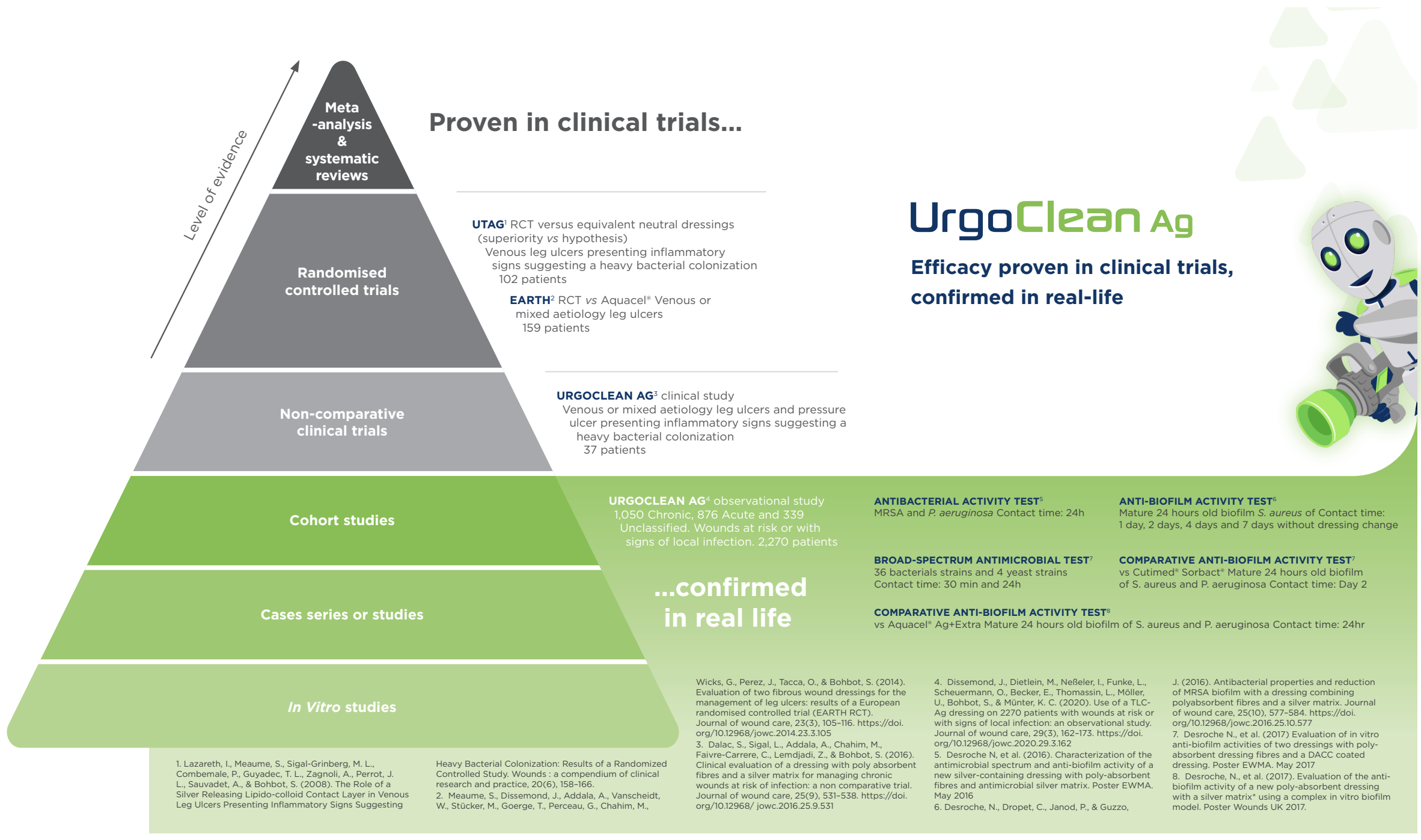
CLINICAL EVIDENCE
References
- Meaume S. et al. Evaluation of two fibrous wound dressings for the management of leg ulcers: Results of a European randomised controlled trial (EARTH RCT). J Wound Care, March 2014, Vol 23, No.3; 105-116
- Dalac S., Sigal L., Addala A., et al Clinical evaluation of a dressing with poly absorbent fibres and a silver matrix for managing chronic wounds at risk of infection: a non comparative trial. J Wound Care, Vol 25, No 9, September 2016
- Dissemond J. et al, Use of a TLC-Ag dressing on 2270 patients with wounds at risk or with signs of local infection: an observational study, J Wound Care, volume 29, number 3, march 2020
- In vitro study report RE/UR/2025-201/CHC
- In vitro data. Nexidia reports 2021-11F and 2021-11D v2.
- Internal data – Laboratoires Urgo
- Lazareth I, et al. The role of a silver releasing lipido-colloid contact layer in venous leg ulcers presenting inflammatory signs suggesting heavy bacterial colonization: Results of a randomized controlled study. Wounds. 2008;20(6):158–66
- Percival SL. Restoring balance: biofilms and wound dressings. J Wound Care 2018; 27: 102-113..
- Schultz, G. et al (2017), Consensus guidelines for the identification and treatment of biofilms in chronic nonhealing wounds. Wound Rep and Reg, 25: 744-757
- Desroche N, Dropet C, Janod P, et al. Antibacterial properties and reduction of MRSA biofilm with a dressing combining polyabsorbent fibres and a silver matrix. J Wound Care 2016; 25: 577-584.
- N. Desroche et al. Evaluation of in-vitro anti-biofilm activities of two dressings with poly-absorbent dressing and a DACC-coated dressing. Poster EWMA 2017


 + Magnet Fibres Technology